

 See My Latest Article on HelloNation
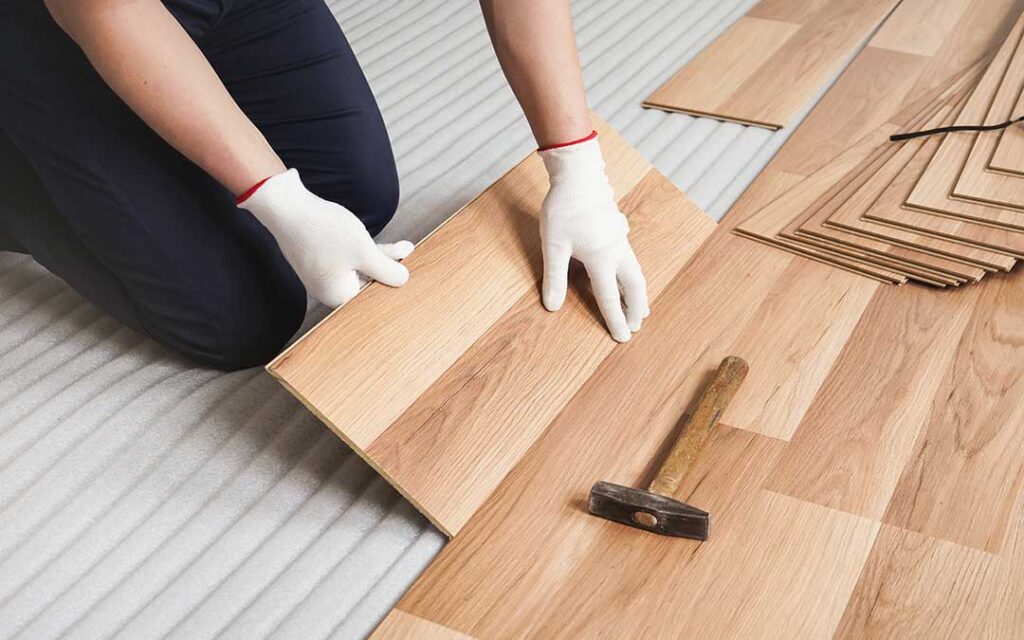
Choosing flooring for a home in Penn Yan, NY requires more than comparing colors and samples. Each room has different demands, and local conditions such as winter moisture, tracked-in grit, older housing construction, and changing indoor humidity can affect how well a floor performs.
The most suitable choice usually depends on four questions: How much moisture will the room see? How much traffic does it receive? How much maintenance is realistic? Does the flooring suit the home’s structure and the way the room is used?
What should be considered before choosing any flooring?
The best flooring decision starts with the room rather than the material. A durable surface in a busy entryway may be uncomfortable in a bedroom, while a warm, soft option that works well upstairs may not be practical near a sink or exterior door.
Consider these factors first:
- Moisture exposure: Bathrooms, kitchens, mudrooms, and laundry areas need surfaces that tolerate spills, damp footwear, and occasional standing water.
- Traffic and grit: Entries and hallways collect sand, salt, and debris during winter. Hard surfaces may resist wear, but textured or heavily grooved materials can be harder to clean.
- Comfort: Bedrooms, family rooms, and play areas often benefit from warmth, sound reduction, and a softer surface.
- Subfloor condition: Uneven boards, old adhesive, cracks, or moisture beneath the floor can affect installation and long-term performance.
- Maintenance needs: Some floors require regular sealing or careful cleaning, while others are easier to maintain with routine sweeping and damp mopping.
- Aging in place: Smooth transitions, slip resistance, and reduced trip hazards may matter as much as appearance.
A flooring sample should be viewed in the actual room, ideally at different times of day. Natural light, wall color, and nearby woodwork can significantly change how a surface appears.
Which flooring works best in an entryway or mudroom?
Entryways and mudrooms need flooring that handles moisture, dirt, salt, and repeated cleaning. Resilient flooring, porcelain or ceramic tile, and well-installed sheet flooring are common choices because they can tolerate wet footwear better than many wood-based products.
Tile can be durable and easy to clean, but grout lines may collect dirt and the surface can feel cold. A quality resilient floor is generally more comfortable underfoot and can provide a continuous surface with fewer seams. If a wood-look floor is preferred, the product should be rated for the expected moisture conditions rather than selected only for appearance.
A large, washable mat placed inside the entrance is helpful, but it should not be treated as the only moisture-control measure. Meltwater can travel beneath mats, and trapped moisture may damage some flooring or subfloors. Regularly cleaning entry areas also helps prevent winter grit from scratching the surface.
What is a practical choice for kitchens?
Kitchen flooring should balance water resistance, cleanability, comfort, and impact resistance. Resilient flooring, tile, and properly installed engineered wood are often considered because they can accommodate the demands of cooking, spills, and frequent foot traffic.
Resilient flooring is softer and quieter than tile, which can make long periods of standing more comfortable. Tile provides a hard, durable surface but may be less forgiving when dishes or glassware are dropped. Engineered wood can add warmth and continuity to an open floor plan, but spills should be cleaned promptly and installation should account for the room’s moisture conditions.
The subfloor matters in older homes. A floor may look level from across the room while still having dips or movement that cause seams, joints, or tile to fail. Any flooring choice should be matched to the condition and construction of the surface beneath it.
What flooring is suitable for bathrooms and laundry areas?
Bathrooms and laundry rooms need moisture-resistant flooring with carefully sealed edges and transitions. Porcelain tile, ceramic tile, sheet flooring, and some waterproof resilient products may be appropriate, depending on the subfloor and installation method.
The material alone does not make a floor waterproof. Water can enter around toilets, tubs, washing machines, floor penetrations, seams, and poorly sealed thresholds. A flooring product advertised as water-resistant may still be vulnerable if moisture reaches the subfloor or spreads beneath the surface.
Slip resistance also matters. Highly polished tile can become hazardous when wet, especially near showers or exterior doors. A surface with appropriate texture may provide better footing, although extremely rough finishes can be difficult to clean.
Laundry areas deserve particular attention because a supply line or drain problem can release a large amount of water quickly. Appliances should sit on a stable, level surface, and the surrounding floor should be selected with realistic leak scenarios in mind.
What flooring is most comfortable for bedrooms?
Bedrooms usually benefit from flooring that is warm, quiet, and comfortable. Carpet remains a practical option for reducing footfall noise and providing softness, particularly in rooms where people walk barefoot. It does require regular vacuuming and may not be ideal for households concerned about spills, allergens, or frequent deep cleaning.
Wood, engineered wood, and resilient flooring can also work well in bedrooms. Area rugs may add warmth without covering the entire floor. Hard flooring can be especially useful where a simple cleaning routine is preferred, but furniture pads should be used to reduce scratching and denting.
In rooms above unfinished areas, insulation and underlayment may affect comfort more than the visible flooring surface. A cold bedroom floor may reflect air leakage or inadequate insulation rather than a problem with the finish material itself.
What should be used in living rooms and family rooms?
Living rooms and family rooms offer more flexibility because they typically have lower moisture exposure than kitchens or entries. The decision often depends on traffic, pets, children, noise, and the desired level of maintenance.
Hardwood or engineered wood can provide a durable, repairable surface when properly maintained. Engineered wood may offer greater dimensional stability than solid wood in areas with seasonal changes in indoor humidity, although both require appropriate installation and care.
Luxury vinyl or other resilient surfaces can be practical in busy family spaces because they resist many everyday spills and are relatively easy to clean. Carpet may be preferable where sound absorption and comfort are priorities. Area rugs can define seating areas, reduce noise, and protect the floor from furniture movement.
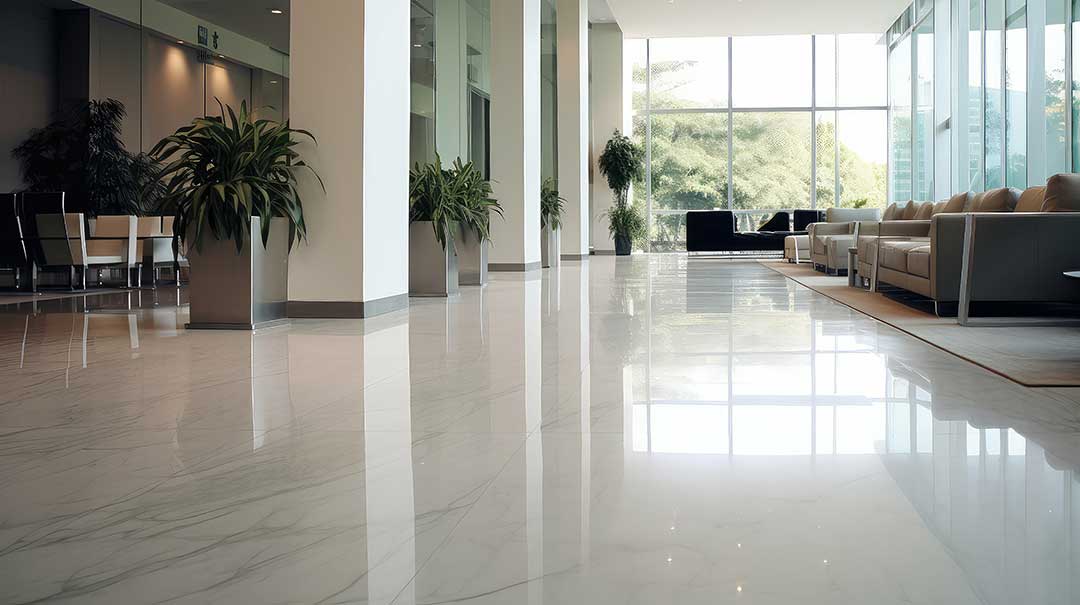
Avoid placing rubber-backed mats directly on some resilient or wood floors without checking compatibility. Certain backings can discolor finishes or trap moisture.
Is the same flooring suitable throughout an open floor plan?
Using one flooring material across connected rooms can create visual continuity, but it is not always the most practical solution. Open kitchens, dining areas, and living rooms may need a surface that handles spills while remaining comfortable and attractive in gathering spaces.
A continuous floor can reduce visual breaks and eliminate some transition strips. However, the material must be suitable for the room with the greatest exposure to moisture and wear. If the kitchen requires a highly water-tolerant surface, that requirement may determine the flooring used throughout the connected area.
Transitions between different materials should be planned before installation. Abrupt height changes can create trip hazards, particularly near doorways and hallways.
How do seasonal conditions affect flooring in Penn Yan?
Seasonal moisture changes can affect wood, laminate, adhesives, and subfloors. Winter heating often lowers indoor humidity, while spring and summer conditions may increase moisture levels. Wood products can expand, contract, or develop small gaps as conditions change.
Moisture tracked indoors from snow and rain is another concern. Entry protection, prompt cleanup, and sensible indoor humidity control can help extend the life of many flooring types. Flooring should also be allowed to acclimate according to the manufacturer’s requirements before installation.
Homes with crawl spaces, basements, or older foundations may need additional moisture evaluation before a new floor is installed. Covering a damp or unstable subfloor can hide the problem temporarily while increasing the risk of odor, mold, adhesive failure, or deterioration.
What are common flooring mistakes to avoid?
Several mistakes can lead to premature wear or unexpected repair costs:
- Choosing a product based only on appearance.
- Installing moisture-sensitive flooring in a room with frequent wet exposure.
- Ignoring uneven or damp subfloors.
- Failing to plan transitions between flooring materials.
- Using harsh cleaners or excessive water.
- Forgetting that dark, smooth surfaces may show dust, pet hair, and footprints more readily.
- Assuming waterproof flooring eliminates the need to address leaks.
- Selecting a floor that conflicts with doors, appliances, cabinets, or existing trim.
The right flooring is the one that fits the room’s actual conditions, the home’s construction, and the household’s maintenance habits. A durable material can still perform poorly if it is installed over an unsuitable subfloor or exposed to conditions it was not designed to handle.