

 See My Latest Article on HelloNation
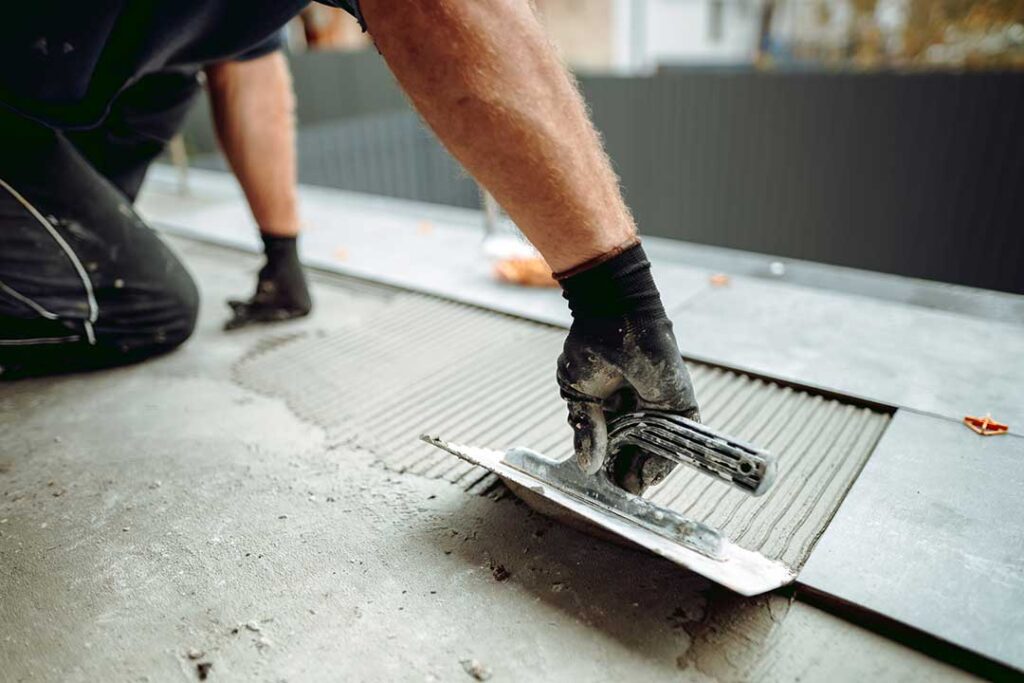
Which flooring types work best for homes with pets?
For most pet-owning households, the strongest flooring choices are luxury vinyl, porcelain or ceramic tile, sealed concrete, and certain types of finished hardwood. The right option depends on how much moisture, scratching, shedding, and tracked-in dirt the floor must handle.
Homes in Penn Yan, NY may experience wet, snowy, and muddy conditions during parts of the year, so flooring near entrances deserves special attention. A surface that tolerates moisture and cleans easily can reduce daily maintenance, especially for households with dogs that spend time outdoors.
No flooring is completely scratch-proof or stain-proof. The goal is to choose a surface that matches the animals, routines, and cleaning habits in the home.
Is luxury vinyl a practical choice for dogs and cats?
Luxury vinyl is often a practical option because it resists surface moisture, is relatively easy to clean, and is softer underfoot than tile. Quality products can also provide better traction than very smooth hard surfaces.
A well-installed vinyl floor can handle:
- Wet paws and occasional spills
- Food and water splashes
- Frequent vacuuming and mopping
- Moderate scratching from pet nails
- Everyday dirt tracked in from outside
The main concern is water getting through seams, edges, or damaged areas. Standing water should still be wiped up rather than left for long periods. If a pet repeatedly has accidents in one location, odor may develop beneath the flooring if moisture reaches the underlayment.
Texture matters. Highly glossy vinyl may show paw marks and provide less traction for older dogs. A lightly textured, matte surface is often more forgiving visually and may feel more secure underfoot.
Does tile perform well in pet households?
Tile is one of the most durable choices for homes with active pets. Porcelain and ceramic tile resist water, do not absorb pet odors when properly installed and maintained, and can be cleaned repeatedly without refinishing.
Tile is especially useful in:
- Entryways
- Mudrooms
- Kitchens
- Laundry areas
- Pet feeding spaces
- Rooms where accidents are more likely
The disadvantages are hardness, temperature, and grout maintenance. A dropped bowl may break more easily on tile, and some animals may dislike the cold surface during winter. Area rugs or washable mats can create warmer resting spots, provided they have secure backing and do not trap moisture underneath.
Grout should not be overlooked. Even when the tile itself is nonporous, grout can collect dirt and absorb spills unless it is properly sealed and cleaned. Smaller grout joints and medium-toned colors may be easier to maintain than very light grout.
Are hardwood floors suitable for pets?
Hardwood can work in a pet-friendly home, but it requires more care than tile or resilient flooring. Finished wood can be damaged by claws, grit, water bowls, and repeated accidents. Urine that reaches the seams may cause staining or odor that is difficult to remove without refinishing or replacing boards.
If hardwood is already present, protective habits make a meaningful difference:
- Keep nails trimmed to reduce sharp contact with the finish.
- Place absorbent mats beneath water bowls.
- Use rugs near entrances and at the bottom of stairs.
- Sweep or vacuum regularly so sand and grit do not act like sandpaper.
- Wipe up wet footprints and spills promptly.
- Avoid harsh cleaners that leave residue or dull the finish.
Harder wood species may resist denting better than softer species, but hardness alone does not prevent scratches. A lower-sheen finish can also make small marks less noticeable than a highly glossy surface.
Engineered wood may offer more dimensional stability than solid wood in some installations, but it is not automatically pet-proof. Its performance still depends on the wear layer, finish, installation, and moisture exposure.
What flooring is easiest to clean after pet accidents?
Nonabsorbent surfaces with few seams are generally easiest to clean. Tile and properly installed resilient flooring usually provide the simplest maintenance because surface messes can be removed without immediately soaking into the material.
Carpet is more complicated. It can be comfortable, quiet, and warm, but fibers and padding may hold hair, dander, mud, and odors. Spot cleaning may remove visible staining without eliminating moisture below the surface.
If carpet is preferred in bedrooms or living areas, lower-pile styles are typically easier to vacuum than deep, dense piles. Removable washable rugs can provide comfort while allowing more frequent cleaning than wall-to-wall carpet.
For accidents, remove solid material first, blot liquid rather than rubbing it deeper, and use a cleaner appropriate for the flooring material. Products containing strong solvents or excessive moisture may damage finishes or adhesives.
What flooring provides good traction for pets?
Traction is particularly important for older animals, large dogs, and pets with arthritis or other mobility problems. Very smooth tile, polished stone, and glossy finishes may become slippery when wet.
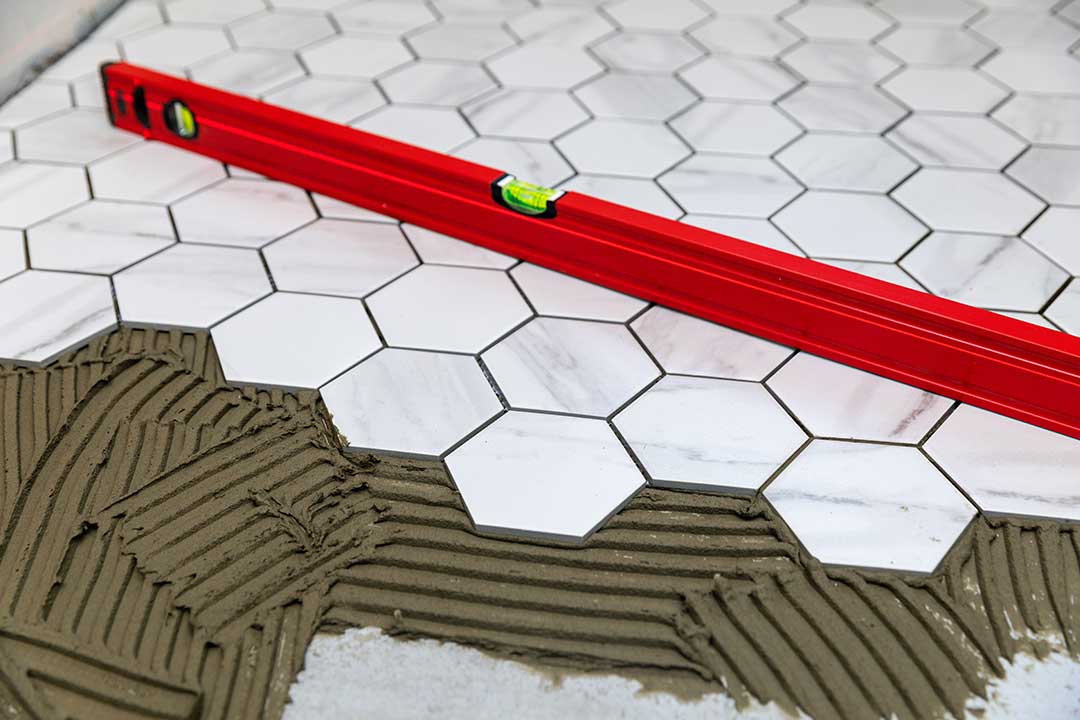
Better choices often include:
- Matte or lightly textured resilient flooring
- Textured porcelain tile
- Low-sheen finished wood
- Secure rugs with non-slip pads
- Carpeted areas that do not curl or shift
Traction should be balanced with cleanability. Deep texture can catch hair and dirt, while heavily patterned surfaces may make it harder to see spills or debris. Loose mats can create a tripping hazard for both pets and people, so edges should lie flat and backing should remain secure.
Which flooring is best for homes with large dogs or active pets?
Active pets place more stress on flooring through running, turning, digging, and repeated impact. Tile, resilient flooring, and well-finished hardwood can all work, but installation quality becomes especially important.
A stable subfloor helps prevent movement, squeaking, and gaps. Proper transitions between rooms reduce raised edges that can catch paws. In high-use areas, flooring should be evaluated not only for scratch resistance but also for how easily individual sections can be repaired or replaced.
Large dogs may also bring more moisture and outdoor debris into the home. An entry zone with a durable, easy-clean surface can protect more sensitive flooring in adjacent rooms. During snowy or muddy periods, a mat system that includes an outdoor scraper mat and an absorbent indoor mat can reduce tracked-in grit.
What flooring should pet owners approach cautiously?
Some flooring materials require more maintenance or may be less forgiving in homes with frequent accidents. Wall-to-wall carpet, unfinished wood, porous natural stone, and flooring with many open seams deserve careful consideration.
Laminate flooring can resist surface wear, but water that reaches the edges or joints may cause swelling. Its suitability depends heavily on the product construction and installation details.
Natural stone varies widely. Dense, well-sealed stone may perform well, while porous stone can absorb moisture, oils, and odors. Maintenance requirements also differ by stone type, so cleaning instructions should be followed closely.
No material replaces routine care. Regular nail trimming, prompt cleanup, frequent removal of hair and grit, and protected feeding areas often have as much effect on floor life as the material selected.
How should Penn Yan households compare flooring options?
The most useful comparison is based on the rooms, not just the flooring category. A household may choose tile or resilient flooring for entrances and pet areas, finished wood in lower-risk living spaces, and washable rugs where warmth or comfort is needed.
Before choosing, consider:
- How often pets go outdoors
- Whether the home has snow, mud, or gravel tracked inside
- The age and mobility of the animals
- The likelihood of accidents
- Whether noise reduction is a priority
- How much routine cleaning is realistic
- Whether damaged sections can be repaired without replacing a whole room
For many homes, a combination of surfaces works better than using one material everywhere. Durable flooring in wet and high-traffic zones, paired with comfortable washable coverings in resting areas, can provide a practical balance between pet needs, household comfort, and long-term maintenance.