

 See My Latest Article on HelloNation
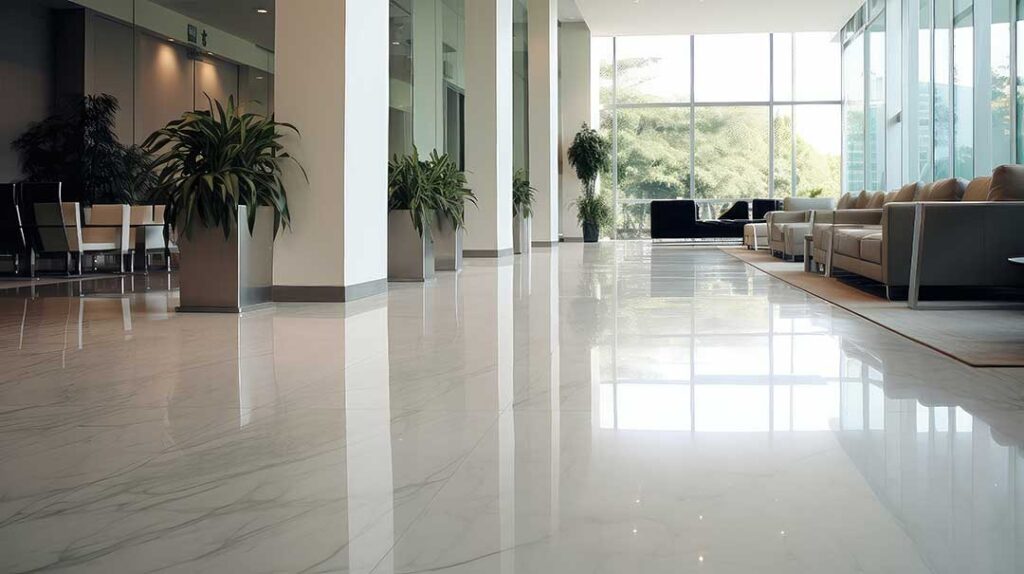
Flooring affects comfort, maintenance, indoor air quality, noise, and how well a home handles everyday wear. The right choice depends less on appearance alone and more on moisture, traffic, sunlight, pets, children, cleaning habits, and the construction of the house.
In Penn Yan, NY, seasonal changes add another consideration. Snow, grit, mud, and moisture can be tracked indoors during winter, while summer humidity and temperature swings may affect wood and other materials. A flooring plan that fits each room usually performs better than using one material throughout the entire home.
What should be considered before choosing a flooring material?
Start with the room’s conditions and how the space is used. Flooring that works well in a quiet bedroom may be a poor choice for an entryway or bathroom.
Ask these questions before comparing colors and patterns:
- Does the room regularly encounter water or dampness?
- How much foot traffic does it receive?
- Will pets, children, or muddy shoes use the space?
- Does the room get strong sunlight?
- Is sound reduction important?
- How much cleaning and maintenance is realistic?
- Is the existing subfloor level, dry, and structurally sound?
The subfloor matters because uneven, damp, or damaged surfaces can cause problems regardless of the finished flooring. A material’s warranty or installation requirements may also depend on moisture testing, acclimation, expansion gaps, or a suitable underlayment.
Which flooring is most practical for entryways and mudrooms?
Entryways and mudrooms need flooring that tolerates moisture, grit, frequent cleaning, and sudden temperature changes. Porcelain or ceramic tile, luxury vinyl flooring, and well-installed sheet vinyl are common practical choices.
Tile is highly resistant to water and abrasion, but grout lines require regular cleaning and can feel cold underfoot. Vinyl is generally softer and warmer, with fewer seams in some formats, although water resistance depends on the product and installation details.
For a home exposed to winter snow and road salt, use a substantial doormat outside and an absorbent mat inside. Mats protect the floor, but they should be lifted regularly so trapped moisture does not damage the surface below. Avoid placing rubber-backed mats on some vinyl floors unless the flooring manufacturer allows them, because certain backings can discolor the finish.
What flooring works best in kitchens?
A kitchen floor should balance water resistance, cleanability, comfort, and impact resistance. Porcelain tile, resilient vinyl, and some properly finished wood floors can all work, depending on household priorities.
Tile handles spills and heavy use well, but dropped dishes are more likely to break on a hard surface. Vinyl is easier on legs during long periods of standing and is available in designs that resemble wood or stone. Wood can provide visual continuity with adjoining rooms, but spills should be wiped promptly and the finish maintained.
Small details matter in kitchens. Textured surfaces may hide crumbs but can be harder to mop. Very smooth, glossy floors can show footprints and may become slippery when wet. A sample viewed under the room’s actual lighting can reveal differences that are not obvious in a showroom or online photograph.
Is wood flooring suitable for living rooms and dining rooms?
Wood flooring can be a strong choice for living and dining areas because it is durable, repairable, and visually adaptable. Solid wood can often be refinished several times, while engineered wood uses a layered construction that may provide greater dimensional stability in changing indoor conditions.
Wood is not waterproof. Wet footwear, pet accidents, overflowing plant containers, and unnoticed spills can stain or warp boards. Area rugs and protective pads under furniture can reduce wear, but rugs should allow the floor to breathe and should not trap moisture.
For households seeking a wood appearance with less concern about surface scratches or spills, laminate and luxury vinyl may be alternatives. Their performance varies widely, so details such as wear layers, locking joints, edge sealing, and cleaning instructions deserve attention.
What is comfortable and quiet for bedrooms?
Bedrooms usually benefit from flooring that feels warm, reduces sound, and is comfortable underfoot. Carpet remains effective for softness and noise control, especially in rooms above living spaces. Low-pile carpet is generally easier to vacuum and may be more practical for allergy-sensitive households than deeper textures.
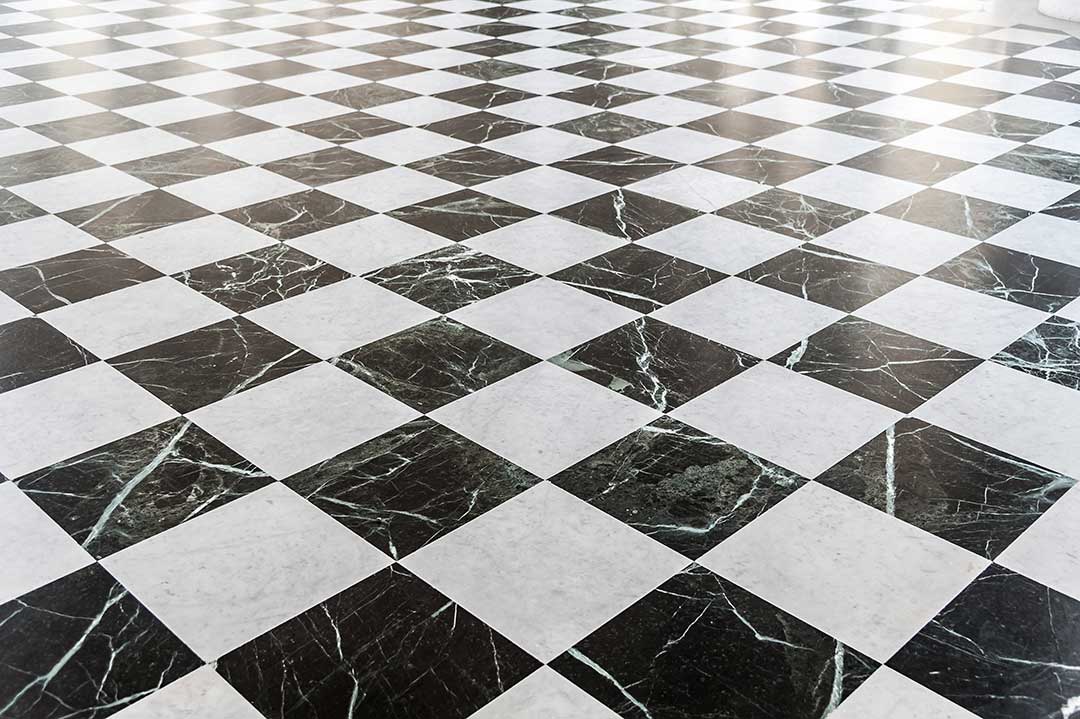
Wood, engineered wood, laminate, and vinyl can also work well in bedrooms when paired with appropriate area rugs. Hard flooring may be preferable for people who want fewer fibers or easier cleaning, but footsteps and furniture movement can be louder.
Moisture control is essential in any bedroom located over a basement or crawlspace. A musty odor, staining, cupping boards, or recurring dampness should be addressed before new flooring is installed.
What flooring should be used in bathrooms and laundry areas?
Bathrooms and laundry rooms require materials that can tolerate occasional water and humidity. Porcelain tile, ceramic tile, sheet vinyl, and certain waterproof-rated flooring systems are common options.
The floor itself is only part of the moisture system. Seams, transitions, toilet areas, tub edges, floor drains, and wall connections must be installed carefully. A water-resistant surface does not make the entire room waterproof if water can move through gaps or beneath the flooring.
Avoid assuming that every product labeled “waterproof” is equally suitable. Some products resist surface spills but are not designed for standing water, plumbing leaks, or installation over damp subfloors. Follow the manufacturer’s cleaning and installation requirements, particularly around expansion spaces and perimeter sealing.
How should flooring choices account for pets and children?
Homes with pets or young children often need flooring that tolerates scratches, spills, stains, and frequent cleaning. Luxury vinyl, tile, and durable low-pile carpet are commonly considered because they offer different combinations of resilience and comfort.
Hard tile may resist scratches but can be unforgiving if someone falls. Glossy surfaces may show paw prints, while deeply textured flooring can hold dirt. Carpet can provide cushioning, but stains and odors may be more difficult to remove if accidents reach the backing or pad.
Look beyond the material name. Check the finish, wear layer, stain resistance, slip characteristics, seam locations, and recommended cleaning products. Felt pads under furniture and regular removal of grit can extend the life of nearly any floor.
Does natural light affect flooring selection?
Yes. Strong sunlight can gradually fade some flooring finishes, rugs, and furnishings. Rooms with large south- or west-facing windows may need window coverings, UV-filtering shades, or flooring with documented colorfastness.
Dark floors often make dust and pet hair more visible, while very light floors can show tracked soil. Mid-tone, varied patterns tend to conceal everyday debris better than uniform black, white, or highly polished surfaces.
View samples at different times of day. Artificial lighting, daylight, wall colors, and nearby cabinetry can all change how a floor appears.
Should the same flooring be used throughout the house?
Using one flooring type across connected rooms can make a home feel more consistent and may reduce transition strips. However, different rooms have different performance needs. A waterproof material may be sensible near exterior doors and plumbing, while carpet or wood may provide greater comfort in private rooms.
Transitions should be planned before installation. Sudden changes in height can create trip hazards, and flooring from different manufacturers may not align evenly. A gradual, intentional change is usually more successful than trying to force one material into every space.
The most reliable choice is the flooring that fits the room’s moisture level, traffic, comfort needs, and maintenance routine. Appearance matters, but performance determines whether the floor remains practical through muddy winters, humid summers, daily cleaning, and years of ordinary household use.