

 See My Latest Article on HelloNation
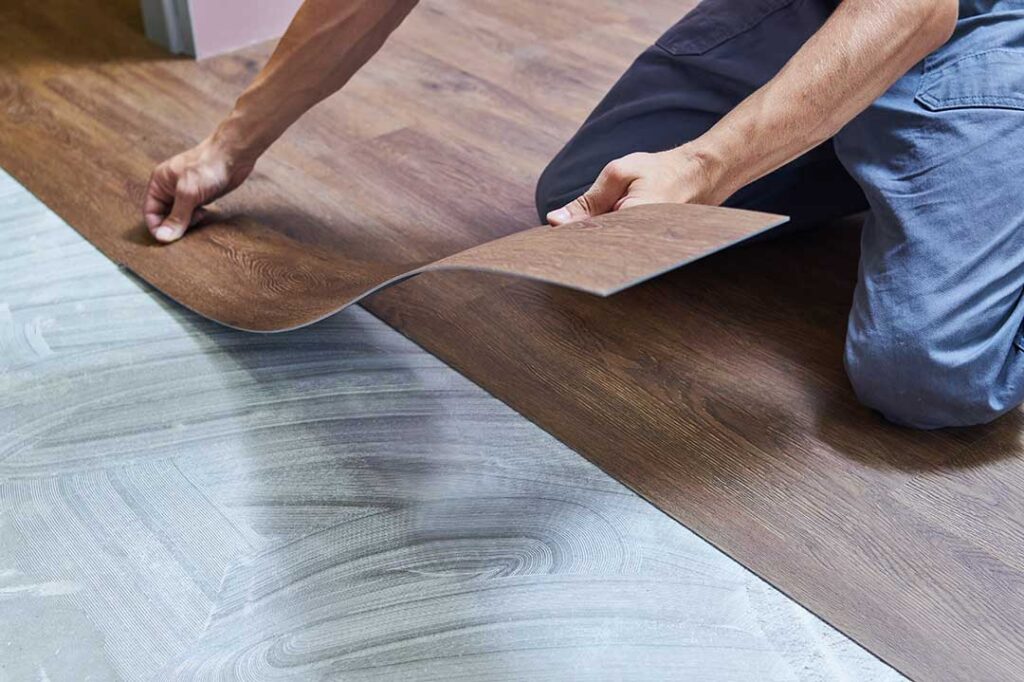
Renovating a home does not always require premium flooring throughout every room. The most practical approach is to match the material to the room’s moisture, traffic, subfloor, and expected lifespan, then spend more only where performance truly matters.
What is the least expensive flooring for a home renovation?
Sheet vinyl, basic luxury vinyl plank, laminate, and refinished existing wood are often among the most budget-friendly choices. The least expensive option depends on the condition of the subfloor and whether old flooring can remain in place.
Material price is only one part of the budget. Removal, disposal, floor leveling, trim, transitions, adhesives, underlayment, and repairs can substantially affect the final cost. A moderately priced material installed over a sound, level surface may cost less overall than inexpensive flooring that requires extensive preparation.
Before choosing a product, inspect for:
- Soft or springy areas
- Water staining or musty odors
- Uneven seams or low spots
- Loose subfloor panels
- Cracks in concrete
- Evidence of earlier flooding or plumbing leaks
Fixing moisture or structural problems first protects the new floor and prevents paying twice for the same renovation.
Can existing floors be renovated instead of replaced?
Yes. Keeping an existing floor is often the most economical choice, especially in older homes with solid wood flooring beneath carpet, vinyl, or other coverings.
Existing hardwood may only need cleaning, minor board replacement, light sanding, and a new finish. Some worn floors can also be refreshed with a screen-and-recoat process rather than fully sanded. This approach may preserve character while reducing demolition and disposal costs.
Older homes may have several layers of flooring. Removing them can reveal wood, but it can also uncover uneven subfloors, outdated adhesives, or damaged boards. Flooring installed before the 1980s may contain materials that require special testing before removal, particularly if old resilient tile, sheet flooring, or adhesive is involved.
If an existing floor is structurally sound but visually tired, consider:
- Recoating wood floors
- Replacing only damaged boards
- Adding washable area rugs
- Painting a suitable porch or utility-room floor
- Covering an unattractive surface with a properly installed floating floor
These options can stretch a renovation budget without sacrificing basic comfort.
Which low-cost flooring works best in kitchens and entryways?
Water-resistant vinyl products are often practical for kitchens, mudrooms, laundry areas, and entryways. Sheet vinyl has fewer seams, while vinyl plank and tile allow individual damaged pieces to be replaced in some installations.
Entryways in Penn Yan, NY homes regularly experience wet shoes, tracked-in grit, road salt, and winter temperature changes. A durable, easy-to-clean surface near exterior doors can reduce maintenance in adjoining rooms. A substantial entry mat and a designated place for wet footwear may protect the floor as much as the material choice.
For a lower-cost installation:
- Choose a simple pattern that does not require detailed layout work.
- Use standard plank or square tile dimensions.
- Avoid unnecessary borders and decorative inlays.
- Confirm that the product is approved for the room’s moisture conditions.
- Leave adequate expansion space where the manufacturer requires it.
Water-resistant does not mean waterproof under every circumstance. Standing water can still reach the subfloor through seams, edges, plumbing openings, or damaged trim.
Is laminate flooring a good budget option?
Laminate can provide the appearance of wood or stone at a lower material cost than many natural products. It is particularly useful in bedrooms, hallways, dining rooms, and living areas where severe moisture is unlikely.
Laminate is not the same as waterproof flooring. A spill that is wiped up promptly may not cause trouble, but repeated wetting, mopping with excessive water, or moisture rising from a concrete slab can lead to swelling and edge damage.
Laminate is most suitable when:
- The subfloor is dry and level.
- The room has stable indoor humidity.
- Wet footwear is managed near entrances.
- The installation includes the correct underlayment.
- The product is kept away from areas with recurring leaks.
A low-cost laminate floor may look attractive at first but perform poorly if installed over an uneven or damp surface. Floor preparation should not be skipped to save money.
What is the best inexpensive flooring for basements?
For a dry basement, vinyl plank, sheet vinyl, and certain tile products are common budget-conscious choices. These materials are generally easier to clean than carpet and less vulnerable to occasional damp conditions than many wood-based floors.
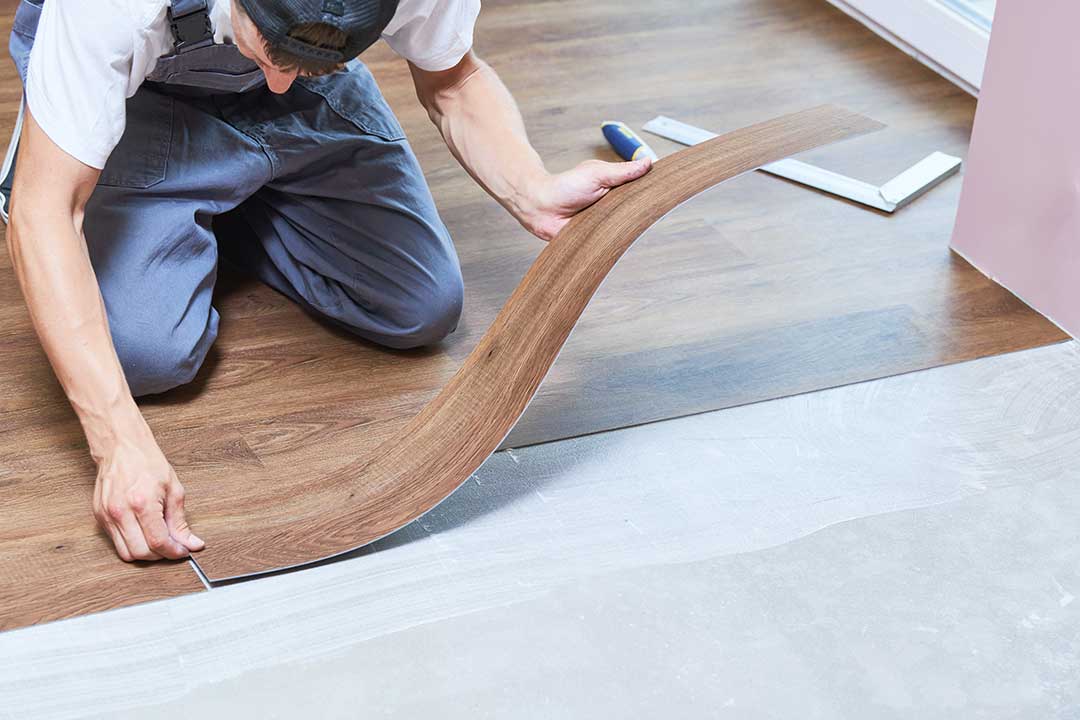
The basement should be checked for moisture before flooring is selected. Look for damp masonry, efflorescence, peeling coatings, previous water lines, condensation, and odors that become stronger after rain. A floor that appears dry during a short inspection may still experience seasonal moisture.
In areas subject to flooding or recurring water intrusion, installing new flooring without addressing the cause can create hidden damage. Local floodplain requirements may also apply to substantial improvements in designated areas. Flooring decisions should follow the condition of the building, not simply the appearance of the basement.
If the space is dry but cool, area rugs can add comfort while remaining easier to remove than wall-to-wall carpet. Avoid placing rugs directly over unresolved dampness.
How can homeowners reduce flooring costs without choosing poor materials?
The strongest savings usually come from simplifying the project rather than buying the cheapest available product.
Use the same practical flooring in connected rooms when appropriate. This can reduce transition pieces, layout changes, and leftover material. However, rooms with different moisture conditions should not be forced into the same flooring plan merely for visual consistency.
Other ways to control costs include:
- Renovating one section of the home at a time
- Measuring carefully and purchasing a reasonable overage
- Selecting standard colors and sizes
- Reusing sound baseboards when possible
- Removing movable furniture before work begins
- Keeping closets and low-priority areas on the existing floor
- Comparing the cost of repair against full replacement
- Choosing flooring that does not require specialized maintenance
A small amount of extra material is usually wise for future repairs. Products can be discontinued, and replacement pieces from a different production run may not match exactly.
Should flooring choices change for older homes?
Older homes often need more attention to subfloor movement, floor height, door clearance, and transitions between rooms. A new floor can create a raised edge where none existed before, causing doors to drag or creating a tripping hazard.
Wood framing may also respond to seasonal humidity changes. During cold, dry weather, gaps can become more noticeable. In warmer or more humid conditions, boards may expand. Acclimating wood products according to the manufacturer’s instructions helps reduce movement after installation.
Historic character can sometimes be preserved without using expensive materials. Refinishing original boards, repeating an existing wood tone, or selecting a simple matte finish may produce a more cohesive result than replacing every surface.
Which flooring investment is worth paying for?
Spend more on moisture control, subfloor preparation, and suitable installation conditions before spending more on appearance. A modest floor installed over a stable, dry, level base often performs better than an expensive floor installed over unresolved problems.
For many renovations, the most sensible combination is:
- Refinish sound original wood where practical.
- Use water-resistant flooring in kitchens, entries, and laundry areas.
- Choose a durable floating floor for dry living spaces.
- Use moisture-tolerant materials in properly maintained basements.
- Reserve premium flooring for rooms where its appearance or longevity provides meaningful value.
Budget-friendly flooring is not simply the cheapest material on the shelf. It is the option that fits the room, survives local seasonal conditions, and avoids unnecessary replacement a few years later.