

 See My Latest Article on HelloNation
What flooring is best for a kitchen?
The best kitchen flooring balances water resistance, durability, comfort, cleanability, and safety. For many households, well-installed luxury vinyl, porcelain or ceramic tile, sealed natural stone, and properly finished hardwood are practical choices. The right option depends on how much moisture, traffic, cooking activity, and maintenance the floor will face.
Kitchens in Penn Yan, NY often deal with seasonal moisture, tracked-in grit, winter footwear, and temperature changes. A flooring material should be selected not only for appearance but also for how it performs under those conditions.
Is luxury vinyl a good choice for a kitchen?
Luxury vinyl is often a practical kitchen surface because it is comfortable underfoot, available in many designs, and relatively easy to clean. Quality products can resist ordinary spills, food stains, and daily wear when the seams and edges are installed correctly.
There are two common forms:
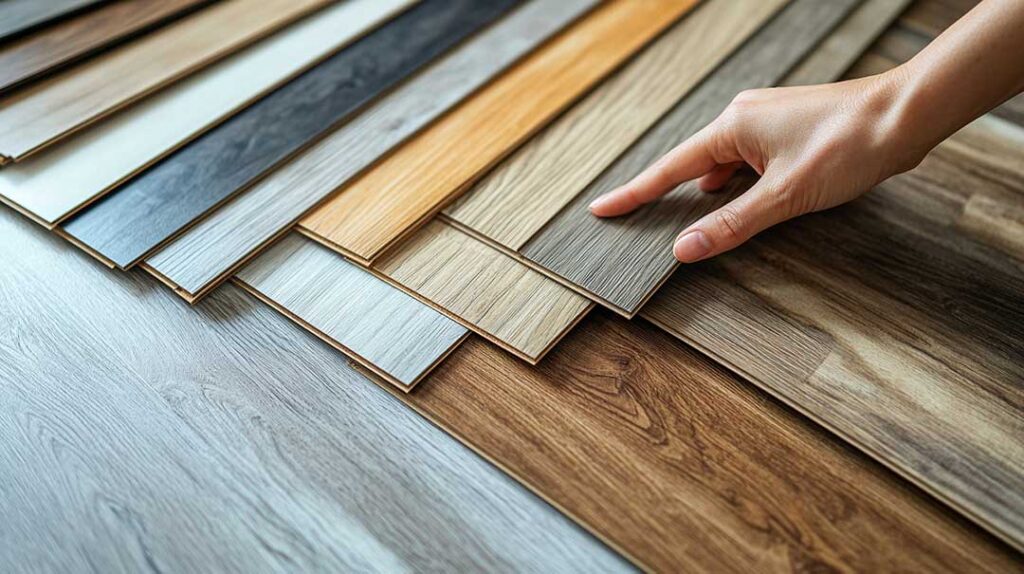
- Luxury vinyl tile or plank is made in separate pieces and may resemble stone, ceramic, or wood.
- Sheet vinyl is installed in broad sections with fewer seams, which can reduce places where water and debris collect.
The main distinction is not simply the product name. Construction, wear layer, subfloor preparation, and installation quality all affect performance. Water-resistant flooring is not automatically waterproof. If moisture reaches the subfloor through unsealed seams, damaged edges, or an appliance leak, problems can still develop.
Vinyl can also be more forgiving than tile if dishes or glassware are dropped. However, heavy appliances and sharp objects may dent or cut some products, and prolonged sunlight can affect certain colors.
Does tile work well in a kitchen?
Ceramic and porcelain tile are durable choices for kitchens and can handle spills, frequent cleaning, and heavy foot traffic. Porcelain is denser and generally less absorbent than standard ceramic tile, which makes it useful in areas exposed to moisture.
Tile has several strengths:
- It resists scratches and surface wear.
- It tolerates heat better than many resilient flooring materials.
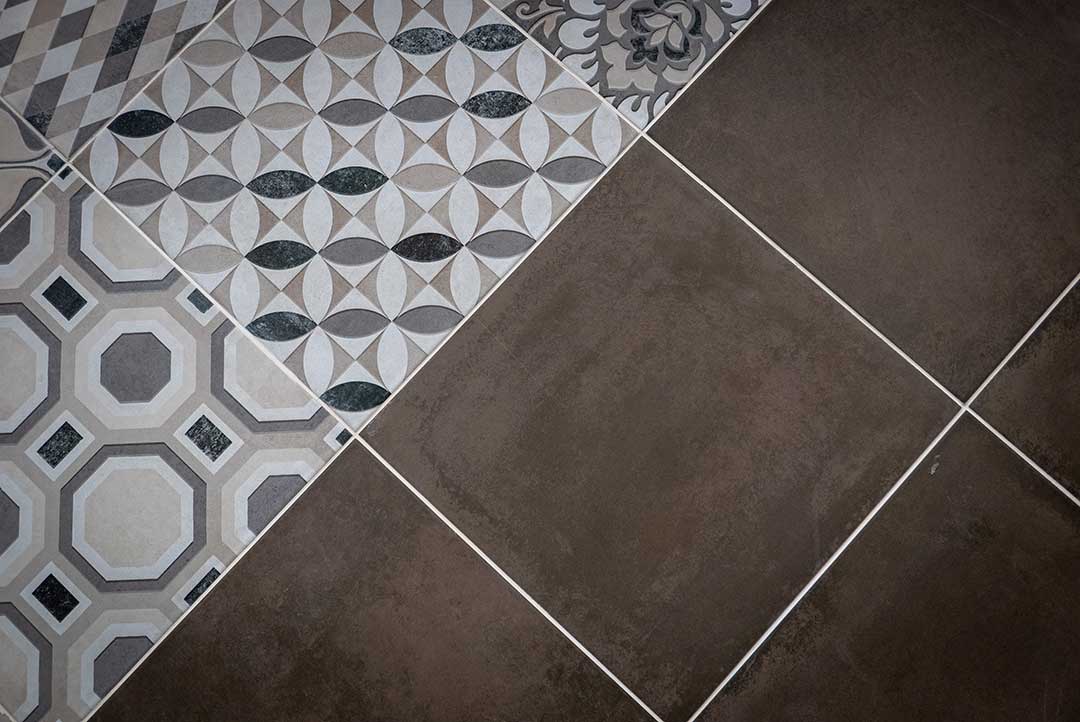
- It is available in many sizes, textures, and patterns.
- Damaged individual tiles can sometimes be replaced without removing the entire floor.
The disadvantages are also worth considering. Tile can feel hard and cold, particularly during winter. Standing for long periods may be tiring, and dropped dishes are more likely to break. Grout lines require routine cleaning and may need periodic sealing, depending on the grout type.
For a kitchen floor, a matte or textured tile is usually safer than a highly polished surface because it provides better traction when wet. Very deep textures can trap crumbs and be more difficult to mop, so moderate texture is often the more practical choice.
Is hardwood a poor choice for kitchens?
Hardwood is not automatically unsuitable for a kitchen, but it requires more attention to moisture and surface wear. Properly finished wood can provide a warm, continuous appearance between the kitchen and nearby rooms, which is useful in open floor plans.
Its risks are concentrated around sinks, dishwashers, refrigerators, and exterior doors. Small spills should be wiped promptly, and leaks need to be addressed before water reaches the seams or subfloor. Seasonal changes in indoor humidity can also cause wood to expand, contract, or develop small gaps.
Engineered hardwood may offer greater dimensional stability than some solid wood products because its layered construction is designed to reduce movement. Neither type should be treated as maintenance-free or fully waterproof. A kitchen with frequent spills, active children, pets, or a history of appliance leaks may be better suited to a more moisture-tolerant surface.
What about natural stone?
Natural stone can provide a durable kitchen floor, but its performance varies by material. Dense stones may resist wear well, while more porous varieties can absorb liquids and require sealing. Stone can also be uneven, hard underfoot, and expensive to repair if a section cracks or becomes stained.
Before choosing stone, consider:
- How often the surface must be resealed.
- Whether the finish becomes slippery when wet.
- How easily the material shows scratches or etching.
- Whether replacement pieces will be available later.
- How the floor will feel during long periods of standing.
Stone is best evaluated as a specific material rather than as one broad category. A sample should be tested for texture, cleaning response, and appearance under the room’s lighting.
Which kitchen flooring is easiest to clean?
Sheet vinyl, tightly installed luxury vinyl, and smooth porcelain tile are generally among the easiest kitchen surfaces to clean. The number of seams, the texture of the surface, and the condition of the grout often matter more than the basic material category.
A manageable cleaning routine usually includes:
- Sweeping or vacuuming regularly to remove grit that can scratch finishes.
- Wiping spills before they dry or spread.
- Using a cleaner compatible with the flooring manufacturer’s instructions.
- Placing absorbent mats near sinks and exterior doors.
- Avoiding excessive water when damp-mopping wood or floors with vulnerable seams.
A steam mop should not be assumed safe for every floor. Heat and moisture may damage certain finishes, adhesives, or wood products.
How should winter conditions affect the choice?
Seasonal moisture is a major consideration for area kitchens. Snow, slush, salt, and sand can be carried indoors on shoes and pet paws. Salt residue may dull some finishes, while grit can act like sandpaper under foot traffic.
A practical floor should be paired with habits that reduce damage:
- Use a durable mat just inside frequently used entrances.
- Remove wet footwear before moisture spreads across the kitchen.
- Clean salt residue with the method recommended for the flooring.
- Check around dishwashers, sinks, and ice-making appliances for slow leaks.
- Keep felt or protective pads under movable furniture.
These steps matter even with highly water-resistant flooring. No floor performs well if water repeatedly remains at its edges or beneath appliances.
What should be checked before installation?
The subfloor must be clean, dry, stable, and reasonably level. Uneven areas can cause tile to crack, vinyl joints to separate, or floating floors to move and make noise. Moisture testing may be appropriate where there has been a previous leak, damp basement condition, or visible staining.
Kitchen cabinets also affect the installation plan. In some situations, flooring is installed before cabinets; in others, it is fitted around them. The correct approach depends on the flooring system, cabinet design, appliance clearances, and manufacturer instructions.
Doorways, transitions, floor height, and appliance movement should be considered before work begins. A new floor that raises the surface too much can interfere with dishwashers, doors, or trim.
What is the most sensible overall choice?
For many busy kitchens, luxury vinyl or porcelain tile provides a useful combination of durability and moisture resistance. Luxury vinyl is generally softer and warmer underfoot, while porcelain tile offers strong resistance to wear and heat but feels harder and requires grout care.
Hardwood can be a suitable design choice when occupants are prepared to manage spills and humidity. Natural stone may work well when its maintenance and traction requirements are acceptable.
The most suitable kitchen floor is the one that matches the household’s actual habits, not just its preferred appearance. Consider moisture exposure, winter traffic, comfort, cleaning routines, subfloor conditions, and the likelihood of keeping the surface for many years.