

 See My Latest Article on HelloNation
Living with pets means flooring has to handle more than everyday foot traffic. Floors may face muddy paws, spilled water, shed hair, scratched surfaces, accidents, and repeated cleaning. For households in Penn Yan, NY, seasonal moisture, tracked-in grit, and winter salt can make those concerns more noticeable.
The most practical flooring choices are usually luxury vinyl, porcelain tile, sealed concrete, and carefully selected laminate. Each has different strengths, and the right option depends on the pets in the home, room location, subfloor condition, and willingness to perform routine maintenance.
Which flooring is most durable for dogs and cats?
Luxury vinyl and porcelain tile are among the most durable choices for active pet households. Both resist moisture better than many traditional flooring materials, and both are available in textures and patterns that can help disguise hair or minor debris.
Luxury vinyl is often comfortable underfoot and quieter than tile. It can tolerate water bowls, muddy paws, and frequent cleaning when properly installed. Its surface is more forgiving than natural wood if a pet’s nails occasionally make contact.
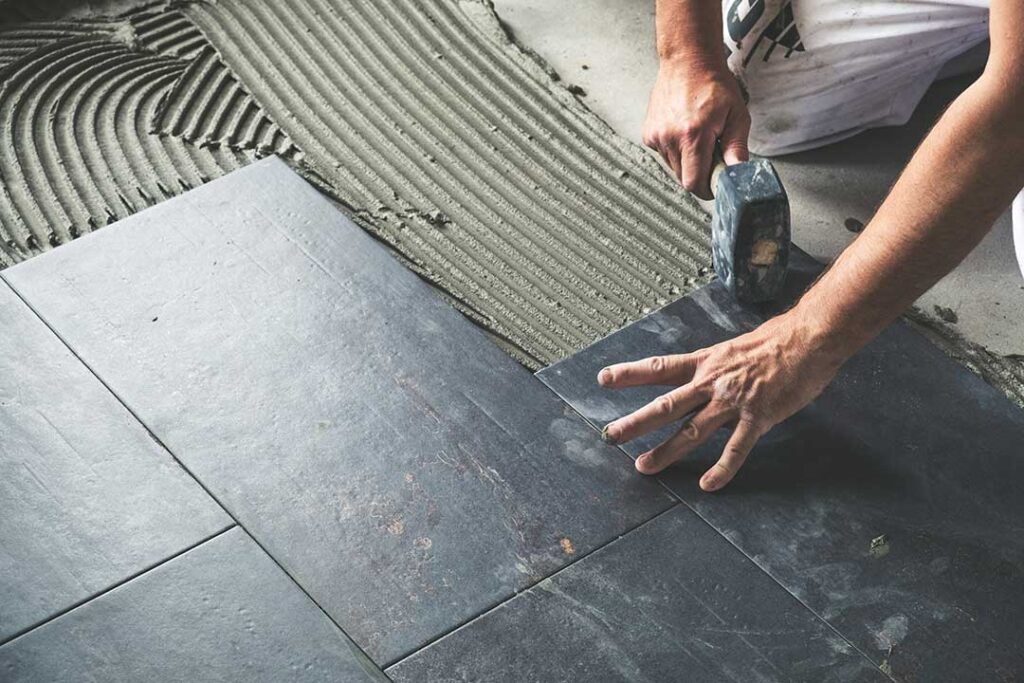
Porcelain tile is highly resistant to water, stains, and scratches. It works especially well in entryways, mudrooms, kitchens, bathrooms, and other areas where moisture is likely. The tradeoff is that tile can feel hard and cold, particularly in rooms without rugs or radiant heating.
For a dog that frequently runs indoors from outdoor areas, a durable, moisture-resistant surface near the entrance can prevent dirt and water from spreading through the rest of the home.
Is luxury vinyl a good choice for pet owners?
Luxury vinyl is a strong all-around option because it combines moisture resistance, ease of cleaning, and moderate comfort. Plank and tile styles can also resemble wood or stone without requiring the same level of maintenance as many natural materials.
Pet owners should distinguish between water-resistant and waterproof products. Water resistance generally describes the flooring surface and seams, while waterproof performance also depends on the quality of installation, the subfloor, and the treatment of edges and transitions.
Look for:
- A textured or low-gloss wear layer that offers traction
- Secure locking joints or properly bonded seams
- A surface that does not become excessively slippery when wet
- A thickness and wear layer suited to the room’s traffic
- Installation details that protect edges from standing water
Luxury vinyl is not completely immune to damage. Sharp debris under a pet’s claws can cause scratches, and heavy furniture or poorly installed transitions can create pressure points. Regular sweeping or vacuuming helps remove grit before it acts like sandpaper.
Does tile work well in homes with pets?
Tile is particularly useful where water, mud, or accidents are common. Porcelain tile generally absorbs less moisture than many other tile types and can withstand frequent mopping. Properly installed tile also resists claw scratches better than softer flooring.
The grout deserves as much attention as the tile itself. Light-colored, porous grout may show staining quickly unless it is properly sealed and maintained. Smaller grout joints, darker blended colors, and stain-resistant grout can reduce visible upkeep.
Tile may be less comfortable for pets that spend long periods lying on the floor. Large rugs with secure, non-slip pads can provide warmer resting areas, but rugs should be cleaned regularly so they do not trap hair, dander, or moisture.
A highly polished tile surface may also be slippery for older dogs, cats with mobility issues, or pets that move quickly around corners. Matte or lightly textured finishes are usually more practical than glossy surfaces.
Can hardwood flooring handle pets?
Hardwood can work in a pet-friendly home, but it requires more care than vinyl or tile. Wood is vulnerable to moisture, scratches, and staining if accidents are not cleaned promptly. Grit tracked in from outdoors can also create small scratches over time.
Some hardwood species are harder than others, but hardness alone does not prevent damage. The finish, plank appearance, maintenance routine, and pet behavior all matter. A matte or satin finish often hides minor marks better than a highly glossy finish.
For households that prefer wood, practical measures include:
- Placing washable mats near exterior doors
- Keeping pets’ nails trimmed
- Removing outdoor grit regularly
- Cleaning spills and accidents promptly
- Using furniture pads under heavy items
- Choosing boards with varied grain or a naturally textured appearance
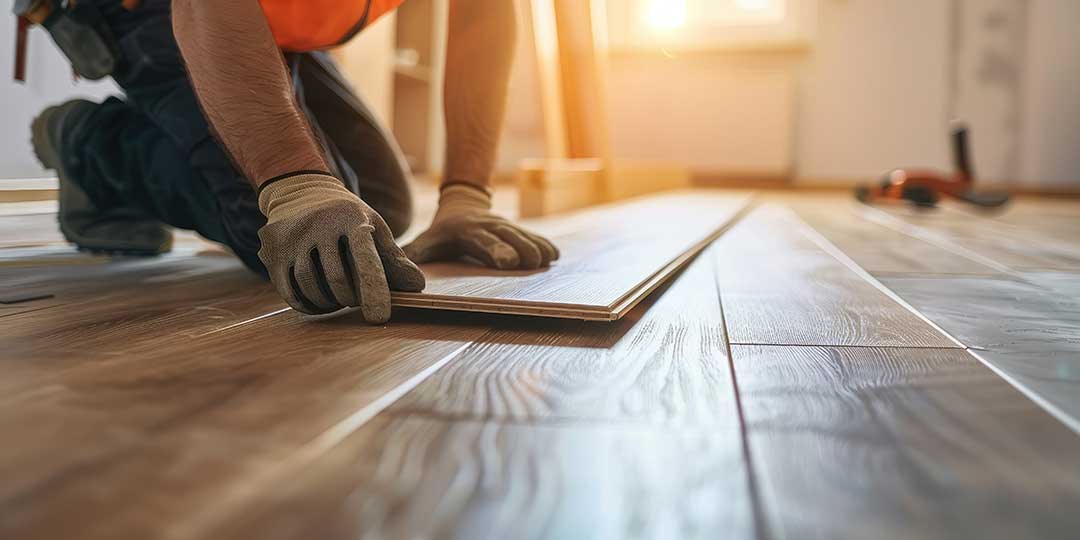
Engineered wood may offer more dimensional stability than solid wood when indoor humidity changes, but it still has a wood surface that can be scratched or stained. It should not be treated as waterproof unless the specific product and installation system clearly support that claim.
Is laminate flooring suitable for pets?
Laminate can be a reasonable choice for homes with cats or dogs, especially in living areas and bedrooms where severe moisture is less common. It is generally resistant to surface scratching and may cost less than some premium flooring materials.
The main concern is moisture at the seams and edges. A water bowl that repeatedly spills, a wet winter coat, or an unnoticed accident can cause swelling in vulnerable areas. Some newer laminate products offer improved water resistance, but installation remains critical.
Laminate can also be slippery. Pets with short legs, aging joints, or limited traction may have trouble on smooth surfaces. Area rugs, runners, and designated resting zones can improve comfort, provided the rugs have secure pads and do not create trip hazards.
What flooring is safest for older pets?
Older pets often benefit from flooring that provides traction without being abrasive. Very smooth tile, polished stone, and glossy laminate can make it harder for an aging dog or cat to stand, turn, or climb.
A surface with a subtle texture is often more practical. Rugs can help, but they should lie flat and remain firmly in place. Loose mats may shift underfoot and increase the risk of injury.
Comfort also matters. Hard flooring can place stress on joints, particularly when pets sleep or spend much of the day in the same area. Washable beds, padded mats, and several comfortable resting locations can reduce prolonged contact with a hard surface.
Which floors handle winter moisture and salt best?
In a climate with snowy or wet seasons, entry areas experience the greatest stress. Salt, sand, slush, and frozen debris can damage finishes and scratch flooring when they are carried indoors.
Tile and luxury vinyl are usually easier to manage in these zones than hardwood or moisture-sensitive laminate. A properly sized entry mat should be long enough for several steps, giving shoes and paws time to shed moisture and grit. Mats should be lifted and dried periodically so water does not remain trapped beneath them.
Mudrooms and enclosed entry areas should also have accessible cleaning supplies and a place for wet leashes, towels, boots, and pet gear. Good organization reduces the chance that moisture will sit on the floor unnoticed.
How should pet-friendly flooring be maintained?
The best flooring material can still fail if dirt, moisture, and accidents remain on the surface. A simple routine is usually more effective than occasional intensive cleaning.
Sweep or vacuum regularly to remove grit and hair. Blot accidents instead of spreading them across a larger area. Use cleaning products approved for the specific flooring material, and avoid excessive water on wood, laminate, or floors with vulnerable seams.
Inspect transition strips, baseboards, and the edges around bowls. Damage often begins at these less noticeable areas. Water-resistant feeding mats can protect the floor, but they should be lifted and cleaned underneath.
For many area households, the most balanced solution is not a single flooring type throughout the home. A durable surface in entryways, kitchens, and pet feeding areas can be combined with warmer, more comfortable flooring in bedrooms and living spaces. The best choice is the one that matches the pet’s age and habits, the room’s moisture exposure, and the household’s realistic cleaning routine.