

 See My Latest Article on HelloNation
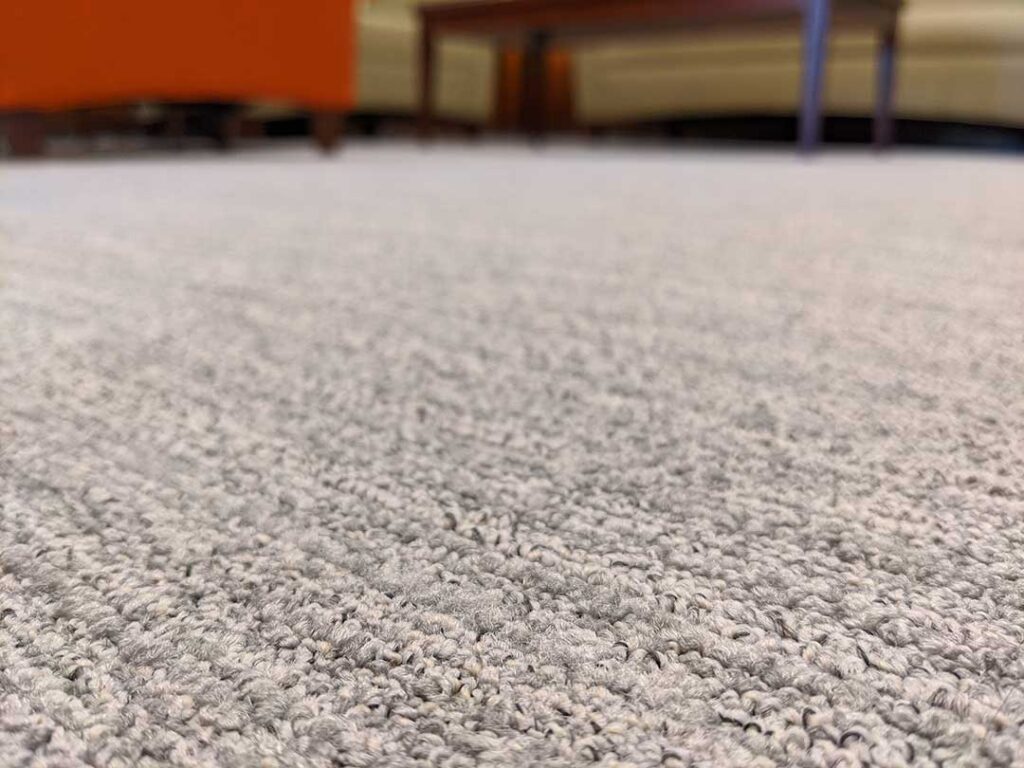
Pet stains are easier to remove when they are treated quickly and correctly. Blotting, using an appropriate cleaning solution, and addressing the odor source beneath the carpet surface can prevent a small accident from becoming a permanent discoloration or repeated marking spot.
What should be done first after a pet accident?
The first step is to remove as much moisture as possible without rubbing the stain deeper into the carpet. Use plain white paper towels or clean white cloths and press firmly over the area. Replace the towel as it becomes damp.
Avoid scrubbing. Rubbing can spread urine, feces, or vomit into a larger area and may damage carpet fibers. It can also push liquid through the carpet backing and into the padding, where odors are harder to remove.
For solid waste, lift it carefully with a plastic scraper or disposable material. Do not press the material into the carpet. After removing the residue, blot any remaining moisture before applying cleaner.
How can fresh urine stains be cleaned?
Fresh urine should be treated with an enzyme-based carpet cleaner labeled for pet accidents. Enzymatic cleaners are designed to break down the organic compounds that create lingering odors.
Use the product according to its label directions. In many cases, the affected area must remain damp for a specified amount of time so the cleaner can work fully. Applying a small amount and immediately wiping it away may not provide enough contact time.
A general process is:
- Blot up as much urine as possible.
- Apply the cleaner to the entire affected area, including slightly beyond the visible stain.
- Allow the solution to remain for the recommended period.
- Blot excess moisture with clean towels.
- Let the carpet dry completely.
Test any cleaner first in an inconspicuous area. Some carpet dyes and fibers can react differently to cleaning solutions.
Why does the odor return after the carpet dries?
A returning odor usually means urine reached below the visible carpet surface. Pet urine can travel through the carpet backing and into the padding or subfloor. As humidity rises, odor compounds may become noticeable again.
This issue can be more apparent during humid summer weather or after wet outdoor conditions, which are common concerns for households in Penn Yan. Carpet that seems clean on the surface may still contain contamination underneath.
If a stain covers a large area or the odor returns repeatedly, surface cleaning may not be enough. In some cases, the carpet pad must be treated separately, and heavily affected padding may need replacement. The subfloor may also require cleaning if liquid soaked through.
Can vinegar, baking soda, or ammonia remove pet stains?
Household remedies can help with limited odor control, but they are not always reliable for urine removal.
Vinegar may reduce some odors temporarily, but it does not break down all of the compounds found in pet urine. Baking soda can absorb surface odors, but it cannot remove contamination that has soaked into the padding.
Ammonia-based cleaners should be avoided for urine stains. The smell may resemble urine to some animals and can encourage repeat marking. Mixing ammonia with other cleaning products can also create dangerous fumes.
Never mix cleaning chemicals. Products containing bleach, ammonia, acids, or strong disinfectants can react with one another and may damage carpet fibers or create a health hazard.
How should older or dried pet stains be treated?
Older stains require more patience because the residue may have crystallized and spread below the surface. A handheld ultraviolet light can sometimes help locate areas that are not visible under normal lighting, although it may also reveal other substances that are not urine.
Treat each suspected area with an enzyme cleaner suitable for the carpet type. The solution may need to reach the same depth as the original accident, but excessive saturation can damage carpet backing or flooring beneath it.
Do not repeatedly soak a carpeted floor without allowing complete drying. Wet carpet can develop musty odors, and prolonged moisture may affect wood-based subfloors or tack strips.
For dried stains near walls, furniture, or seams, inspect the surrounding area as well. Liquid often travels farther than the visible discoloration suggests.
What is the safest way to clean pet vomit or feces?
For vomit, remove solid material first, then blot liquid from the outside toward the center. A mild carpet-safe cleaner may help remove remaining residue. Enzyme products can be useful when the stain contains food proteins or other organic material.
For feces, wear disposable gloves, remove the solid material carefully, and clean the area with a suitable carpet cleaner. Follow with a disinfecting product only if it is labeled for carpet use. Many household disinfectants are intended for hard surfaces and can discolor or weaken carpet.
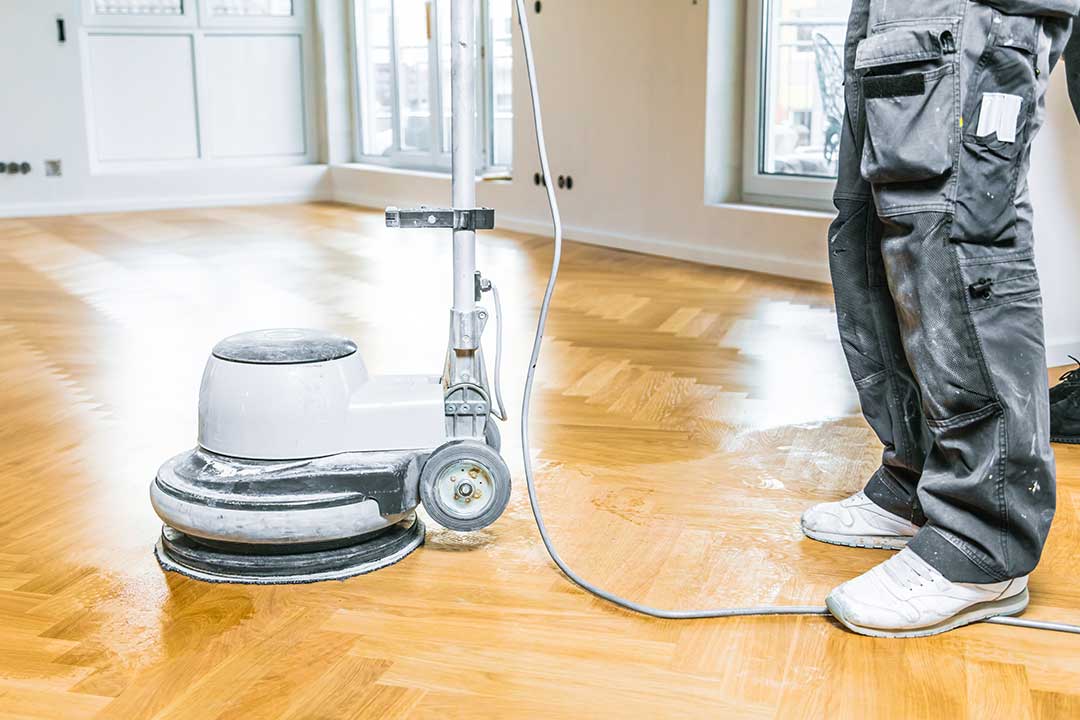
After cleaning, wash hands thoroughly and dispose of contaminated materials safely. Keep children and pets away from the area until it is fully dry.
How can carpet be dried properly after cleaning?
Drying is part of stain removal. Moisture left in carpet can create a musty smell and may contribute to mildew growth.
Improve airflow by opening windows when outdoor conditions are dry, running fans, and keeping furniture off the damp area if possible. A dehumidifier can help during humid weather. Avoid using high heat directly on carpet, since excessive heat can affect some fibers, adhesives, or backing materials.
Pressing dry towels over the area can remove additional moisture. Do not walk repeatedly across wet carpet because foot traffic can spread residue and flatten the fibers.
The carpet should be completely dry before pets are allowed back onto the area.
How can repeat accidents be prevented?
Repeated staining often has a behavioral, medical, or environmental cause rather than a cleaning problem alone. If a pet suddenly begins urinating indoors, frequent accidents, straining, blood in the urine, or unusual thirst may warrant prompt veterinary attention.
For household prevention:
- Clean every accident thoroughly, including the surrounding carpet.
- Restrict access to areas with repeated marking until odors are gone.
- Use washable mats near entry doors and feeding areas.
- Keep litter boxes, bedding, and food areas clean.
- Place absorbent pads over vulnerable carpet during illness, training, or recovery.
- Check whether outdoor access is limited by snow, ice, or severe weather.
In older homes or rooms with carpet installed over wood subfloors, repeated moisture deserves particular attention. Persistent odor, staining along seams, warped flooring, or dampness near baseboards may indicate that the problem extends below the carpet.
When is cleaning no longer enough?
Cleaning may not fully solve the problem when urine has saturated the padding, reached the subfloor, or affected a broad section of carpet. Persistent odor after careful enzyme treatment is a sign that the contamination may be deeper than the carpet fibers.
Health and safety also matter. Anyone with respiratory sensitivity should avoid prolonged exposure to strong odors or cleaning fumes. Ventilate the room, follow product instructions, and use gloves when handling contaminated materials.
For a small, recent accident, prompt blotting and an appropriate enzyme cleaner are usually the most practical first steps. For repeated accidents, deep saturation, or damage beneath the carpet, the condition of the padding and subfloor should be evaluated before deciding whether additional cleaning will be effective.