

 See My Latest Article on HelloNation
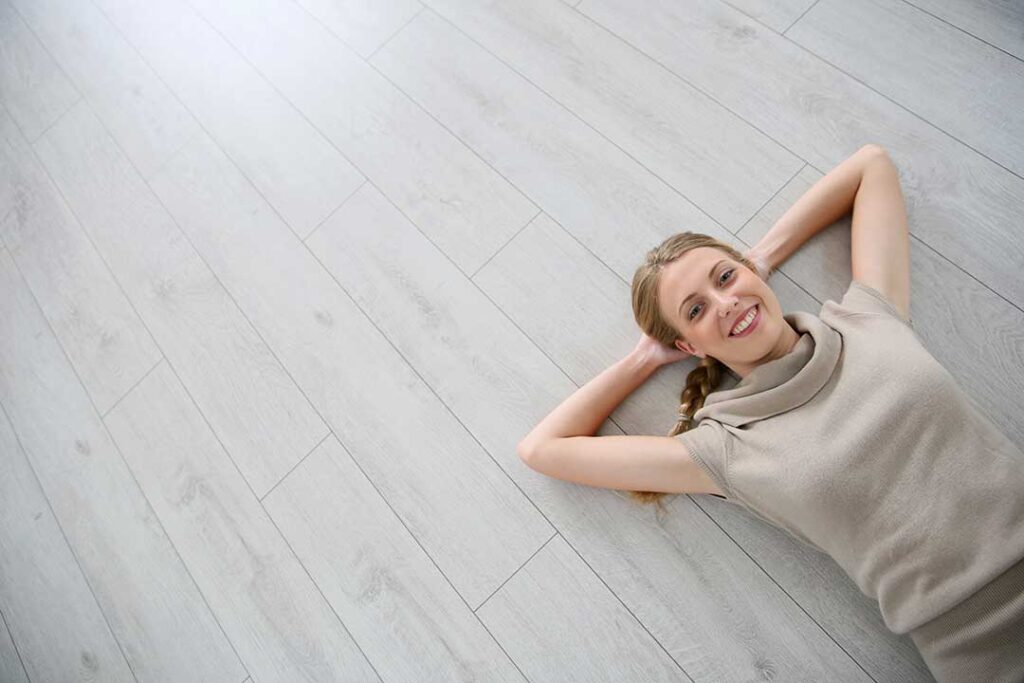
Is hardwood better than carpet for allergies?
Usually, hardwood is easier to keep free of dust, pollen, and pet dander than wall-to-wall carpet. Its smooth surface allows allergens to be removed with regular vacuuming, sweeping, and damp cleaning instead of remaining deep in the flooring fibers.
That does not mean carpet automatically causes allergies or that hardwood guarantees better indoor air quality. The condition of the floor, the cleaning routine, indoor humidity, pets, ventilation, and other soft furnishings can matter just as much. For many households in Penn Yan, NY, the most practical choice depends on which flooring can be kept consistently dry and clean.
Why can carpet be difficult for allergy-sensitive households?
Carpet fibers can hold dust, pollen, skin flakes, pet dander, and other particles that settle below the surface. Walking across the room, moving furniture, or using a vacuum with poor filtration may disturb some of those particles and put them back into the air.
Carpet also absorbs moisture. That can become a concern if wet boots, tracked-in snow, plumbing leaks, or spills are not dried promptly. Persistent dampness may contribute to mold growth in the carpet, pad, or subfloor.
This issue can be more noticeable during snowy or rainy seasons, when household members bring in moisture and outdoor debris. Entry areas, hallways, and rooms where pets spend time often collect the greatest amount of tracked-in material.
Carpet may still be a reasonable option when:
- It is kept dry and cleaned regularly.
- The household uses a vacuum with effective filtration.
- Shoes are removed near entrances.
- Pets are groomed and kept off beds and upholstered furniture.
- The carpet is not old, visibly soiled, or affected by water damage.
A newer, well-maintained carpet can sometimes have fewer airborne particles than a neglected hard floor covered with dust.
What makes hardwood easier to manage?
Hardwood does not have deep fibers that trap particles. Dust and dander generally remain on the surface, where they can be removed with a vacuum designed for hard floors or a microfiber dust mop.
A slightly damp cleaning method can also capture fine residue more effectively than dry sweeping alone. The goal is to remove particles rather than simply move them around.
Hardwood has several practical advantages for allergy control:
- Surface dust is easier to see and remove.
- Spills can usually be cleaned before moisture penetrates deeply.
- Pet hair and dander are less likely to become embedded.
- The flooring can be cleaned without replacing a pad beneath it.
- There is no carpet pile to hold pollen brought indoors.
However, hardwood flooring is not automatically hygienic. Dust can collect along wall edges, under furniture, between boards, and in cracks. Area rugs can also hold many of the same allergens as carpet if they are not washable or regularly cleaned.
Does carpet improve air quality by trapping allergens?
Carpet can temporarily hold particles instead of allowing them to remain airborne, but trapped allergens are not removed until the flooring is cleaned. If particles are repeatedly disturbed, they may become airborne again.
This is why the phrase “carpet traps allergens” is only part of the explanation. Trapping can reduce the amount floating in the air at a particular moment, but a dirty carpet becomes a reservoir for dust and dander. Regular removal matters more than the flooring material alone.
A home with carpet may have acceptable allergy conditions if cleaning is thorough and moisture is controlled. A home with hardwood may still have problems if dust accumulates on surfaces, rugs, furniture, curtains, and air vents.
Which flooring is better for asthma or dust-mite concerns?
For people who are especially sensitive to dust mites, hardwood is often easier to manage because it does not provide the same fabric-like habitat as carpet. Dust mites can live in many parts of a home, including bedding, upholstered furniture, curtains, and rugs, so changing the floor may not solve the entire problem.
For asthma, reducing airborne irritants is generally more useful than focusing on a single material. A household may benefit from:
- Washing bedding regularly in hot water when appropriate for the fabric.
- Using mattress and pillow encasements.
- Keeping indoor humidity moderate.
- Repairing leaks and drying wet materials quickly.
- Cleaning return-air grilles and replacing filters according to the heating system’s requirements.
- Reducing clutter that collects dust.
- Keeping pets away from sleeping areas if dander is a concern.
Flooring can support these efforts, but it is only one part of the indoor environment.
What are the allergy-related drawbacks of hardwood?
Hardwood is easier to clean, but it can create different maintenance concerns. Dust is more visible on dark or glossy surfaces, and dry sweeping may send fine particles into the air. A vacuum with a sealed system and a suitable hard-floor setting is generally less disruptive than a broom.
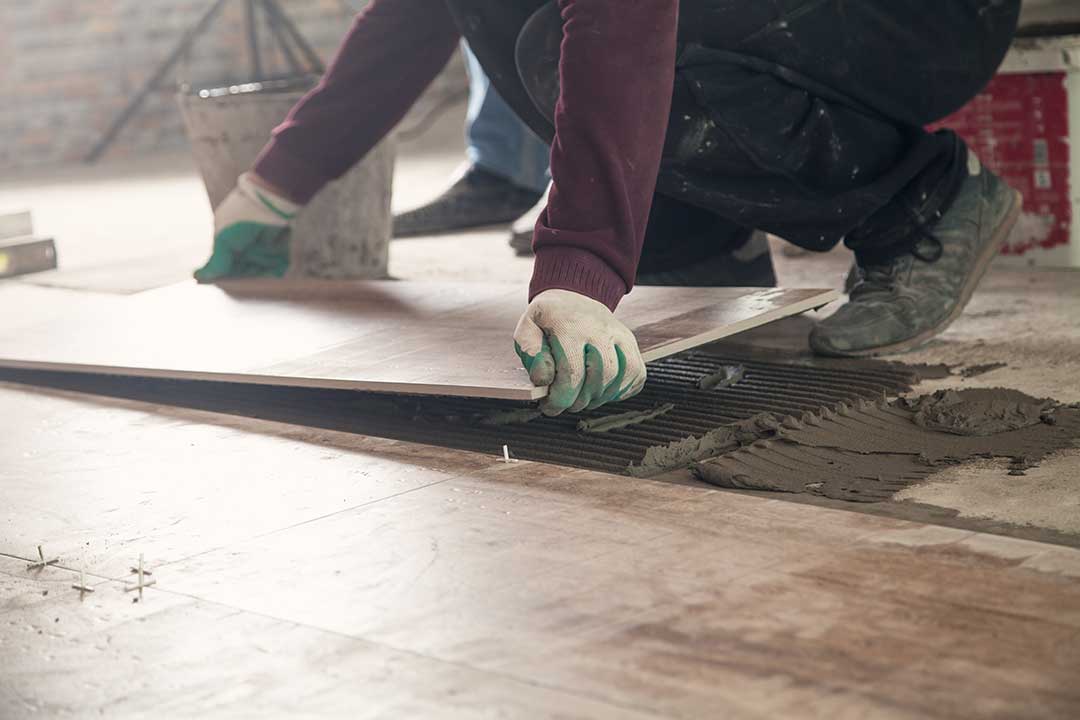
Moisture also requires attention. Snow, wet footwear, and damp pet paws should be dried promptly. Standing water can damage wood finishes, cause boards to swell, or contribute to problems beneath the flooring. In older homes, uneven subfloors or previous moisture damage may complicate cleaning and maintenance.
Hardwood can also increase the use of area rugs for warmth, sound control, or comfort. Those rugs should be washable or easy to vacuum thoroughly. Otherwise, they may become the main source of trapped dust in a room with otherwise smooth flooring.
What are the allergy-related drawbacks of carpet?
Carpet’s main concerns are embedded particles, moisture retention, and the difficulty of cleaning the padding and subfloor when contamination goes beyond the surface.
A carpet may need closer attention if it has:
- A persistent musty odor.
- Visible staining or damp areas.
- History of flooding, leaks, or repeated soaking.
- Crumbling or heavily worn fibers.
- Dust that returns soon after cleaning.
- A pad that remains damp after spills.
Cleaning can improve conditions, but water extraction that leaves the carpet wet for too long may create another problem. Any cleaning method should allow the material to dry thoroughly, with ventilation and indoor humidity considered.
How should each flooring type be cleaned?
For hardwood, remove loose dust several times a week in high-traffic areas. Use a vacuum attachment or setting made for hard floors, followed by a damp—not saturated—microfiber mop when the finish allows it. Avoid leaving water on the surface.
For carpet, vacuum slowly and regularly rather than waiting until the floor looks dirty. Pay extra attention to entrances, stairs, bedrooms, and areas under furniture. A vacuum with strong filtration can help reduce the amount of fine material returned to the room.
Regardless of flooring type:
- Use entry mats that can be cleaned or washed.
- Remove outdoor shoes when practical.
- Clean pet bedding and frequently used blankets.
- Keep furniture slightly accessible for vacuuming underneath.
- Address leaks and condensation promptly.
- Do not rely on fragrance products to cover musty odors.
Which choice makes the most sense for a local household?
Hardwood is generally the simpler option for allergy control because it allows dust, pollen, and dander to be removed from the surface. Carpet may still work well in bedrooms, family rooms, or other spaces where comfort and noise reduction matter, provided it remains dry and receives consistent cleaning.
For a home near agricultural land, wooded areas, or heavily traveled roads, seasonal pollen and outdoor particles may enter through doors, windows, clothing, and pets regardless of the flooring. In those circumstances, entryway control, ventilation, humidity management, and cleaning habits may have as much impact as the material underfoot.
The most allergy-supportive flooring is usually the one that can be kept clean, dry, and accessible for routine maintenance. If symptoms persist despite housekeeping changes, flooring may not be the primary cause; bedding, upholstered furniture, HVAC equipment, moisture, and outdoor allergens should also be considered.