

 See My Latest Article on HelloNation
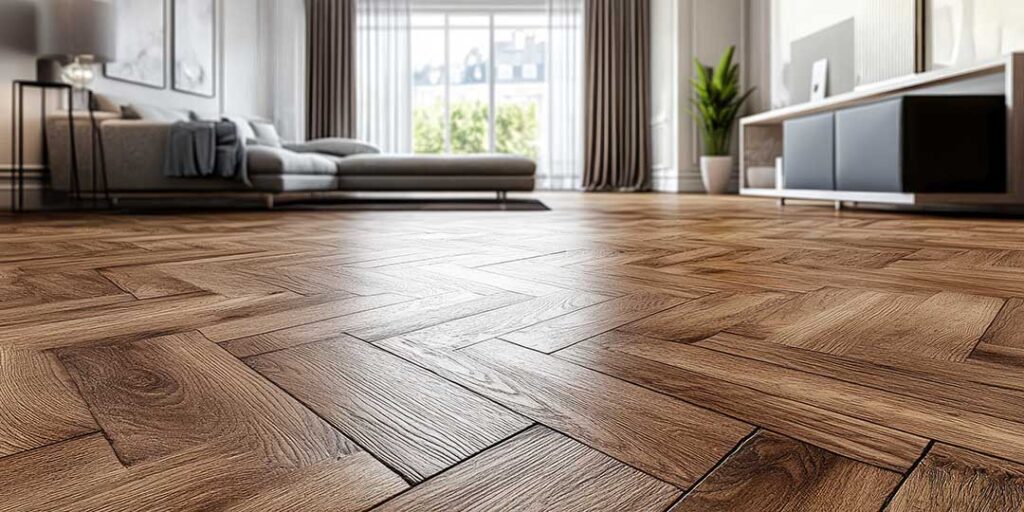
Which flooring is better for a home in Penn Yan, NY?
Hardwood and laminate can both provide an attractive, durable floor, but they are made for different priorities. Hardwood offers natural material, repairability, and long-term character. Laminate usually provides a lower initial cost, easier installation, and greater resistance to everyday surface wear.
For households in Penn Yan, the better choice often depends on moisture exposure, maintenance habits, room use, budget, and whether the floor is expected to last for decades or serve as a practical medium-term surface.
What are the main advantages of hardwood flooring?
Hardwood flooring is made from solid wood or engineered wood with a real wood surface. Its strongest advantages are appearance, longevity, and the ability to be refinished.
Natural appearance and lasting character
Every hardwood floor has variation in grain, color, and texture. Over time, the surface can develop a patina rather than simply looking worn out. Many homeowners value this natural aging, especially in older houses or rooms with traditional architectural details.
Hardwood can also be used across multiple connected rooms, creating visual continuity. It may work well in living rooms, dining areas, bedrooms, hallways, and other spaces where a warm, natural appearance is a priority.
Can be refinished
Solid hardwood can often be sanded and refinished several times. Some engineered hardwood floors can also be refinished, depending on the thickness of the real wood layer.
Refinishing can remove scratches, dull finish, and some surface damage without replacing the entire floor. This repairability is one reason hardwood may have a longer useful life than many floating floor products.
Potential long-term value
Hardwood is not automatically the best investment for every home, but a well-maintained wood floor can remain useful for many years. Its ability to be repaired and updated may reduce the need for complete replacement.
The long-term result depends heavily on installation quality, subfloor condition, moisture control, and regular maintenance.
What are the disadvantages of hardwood?
Hardwood is durable, but it is not maintenance-free. It reacts to moisture and changes in indoor humidity, both of which deserve attention in a seasonal climate.
Moisture sensitivity
Standing water, repeated dampness, and high indoor humidity can cause wood to swell, cup, crown, or develop gaps. Snow, wet footwear, and moisture tracked indoors during winter can be especially troublesome near exterior doors.
Hardwood is generally a poor choice for areas with frequent spills, plumbing risks, or persistent humidity unless the room is carefully managed. Bathrooms, laundry areas, and below-grade spaces may require a different flooring approach.
Scratches and dents
Wood can be scratched by grit, pet nails, furniture movement, and heavy objects. Softer wood species may dent more easily than harder species. Area rugs, felt pads, and regular sweeping help, but they do not eliminate the risk.
A damaged hardwood floor can often be repaired or refinished, although that work creates dust, requires preparation, and may temporarily make the room unavailable.
Higher initial cost and installation demands
Hardwood typically costs more than laminate for both materials and installation. The subfloor may need leveling, and the flooring may require acclimation before installation.
Engineered hardwood can be more dimensionally stable than solid hardwood, but it still requires appropriate moisture conditions and careful installation.
What are the main advantages of laminate flooring?
Laminate is a layered flooring product with a printed decorative surface and a protective wear layer. Modern laminate can resemble wood convincingly, although it does not have the same material composition or repair options as real hardwood.
Lower cost and practical installation
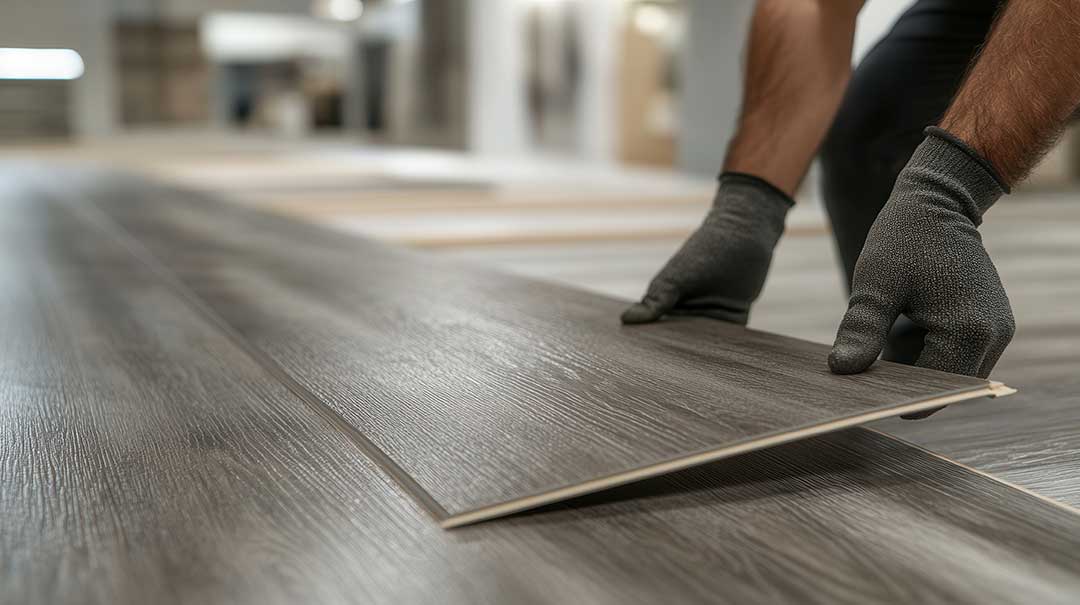
Laminate is often less expensive than hardwood, and many products use a click-lock design that can be installed as a floating floor. This can simplify installation when the subfloor is sound, level, and dry.
Because laminate does not usually require sanding or site-applied finishing, the installation process may create less disruption than installing and finishing unfinished wood.
Good resistance to everyday wear
A quality laminate surface can resist scratches, scuffs, and fading reasonably well in busy households. This makes it useful for hallways, family rooms, play areas, and other spaces where grit and frequent foot traffic are common.
The wear layer still has limits. Heavy furniture, sharp objects, and moisture can damage the surface, and no laminate product is completely scratch-proof.
Consistent appearance
Laminate provides a predictable color and pattern. It can be easier to coordinate across several rooms because the boards are manufactured to match closely.
For homeowners who want the look of wood without selecting a particular species, stain color, or board variation, this consistency can be an advantage.
What are the disadvantages of laminate?
Laminate is practical, but its limitations become more noticeable when moisture reaches the edges, seams, or underlying layers.
Cannot usually be refinished
When the decorative surface is deeply scratched, chipped, or worn through, laminate boards generally need to be replaced. A damaged section may be repairable if spare boards are available, but the replacement may not match perfectly after years of sunlight and normal aging.
This makes the floor less adaptable than hardwood over a very long time.
Moisture can damage the core
Some newer laminate products have improved moisture resistance, but water can still cause problems if it reaches seams, edges, or the subfloor. Leaks and standing water should be cleaned promptly.
Bathrooms, laundry areas, entryways, and rooms below ground level require particular attention to the product’s moisture rating and installation instructions. The label “water-resistant” does not always mean that the floor is suitable for prolonged flooding or repeated wet conditions.
Sound and feel underfoot
Laminate may sound more hollow or sharp underfoot than hardwood, particularly when installed over a hard, uneven, or poorly prepared surface. An appropriate underlayment can reduce noise and improve comfort, but it cannot correct a serious subfloor problem.
Which flooring handles seasonal changes better?
Neither material is immune to seasonal movement. Hardwood generally shows more visible changes because real wood expands and contracts with shifts in indoor humidity. Gaps may appear during dry heating months, while boards may swell during humid periods.
Laminate is often more dimensionally consistent, but it still needs expansion space around walls, door frames, cabinets, and other fixed objects. Failure to provide that space can lead to buckling or raised seams.
In this area, practical moisture control matters more than product choice alone. Useful habits include:
- Wiping up tracked-in water and spills quickly
- Using mats at exterior entrances
- Keeping indoor humidity within a moderate range
- Avoiding wet-mopping that leaves water standing
- Checking for leaks near appliances and plumbing fixtures
- Allowing flooring materials to acclimate as required before installation
Is hardwood or laminate better for pets and children?
Laminate may be the easier surface for households with active children or pets because its protective top layer can handle many everyday scuffs. It can also be less stressful for owners who do not want to worry about every minor scratch.
Hardwood remains workable in these homes, especially with a durable finish and reasonable precautions. Scratches can become part of the floor’s appearance, while deeper damage may eventually be repaired through spot treatment or refinishing.
The more significant concern is moisture. Pet accidents, wet boots, spilled drinks, and water bowls should be addressed promptly with either material.
Which option makes more sense for different rooms?
Hardwood is often most appropriate where appearance and long-term repairability matter, such as:
- Living rooms
- Dining rooms
- Bedrooms
- Formal hallways
- Open areas with stable indoor conditions
Laminate may be more practical where budget, wear resistance, or straightforward replacement is more important, including:
- Family rooms
- Playrooms
- Bedrooms
- Hallways
- Finished upper-level spaces with a dry, level subfloor
For kitchens and entry areas, the decision requires extra care. Both materials can work in some situations, but neither should be treated as immune to leaks, wet footwear, or standing water.
How should a homeowner decide?
Start with the room rather than the appearance alone. Consider the likelihood of spills, the condition of the subfloor, the amount of foot traffic, the presence of pets, and the expected length of ownership.
Choose hardwood when natural material, refinishing, and long-term character are higher priorities and the room can be kept reasonably dry. Choose laminate when a more budget-conscious, consistent, and wear-resistant surface is preferable and replacing damaged boards later would be acceptable.
The most durable result comes from matching the flooring to the room’s moisture conditions and preparing the subfloor correctly. A beautiful material installed over an uneven or damp surface is likely to perform poorly, regardless of whether it is hardwood or laminate.