

 See My Latest Article on HelloNation
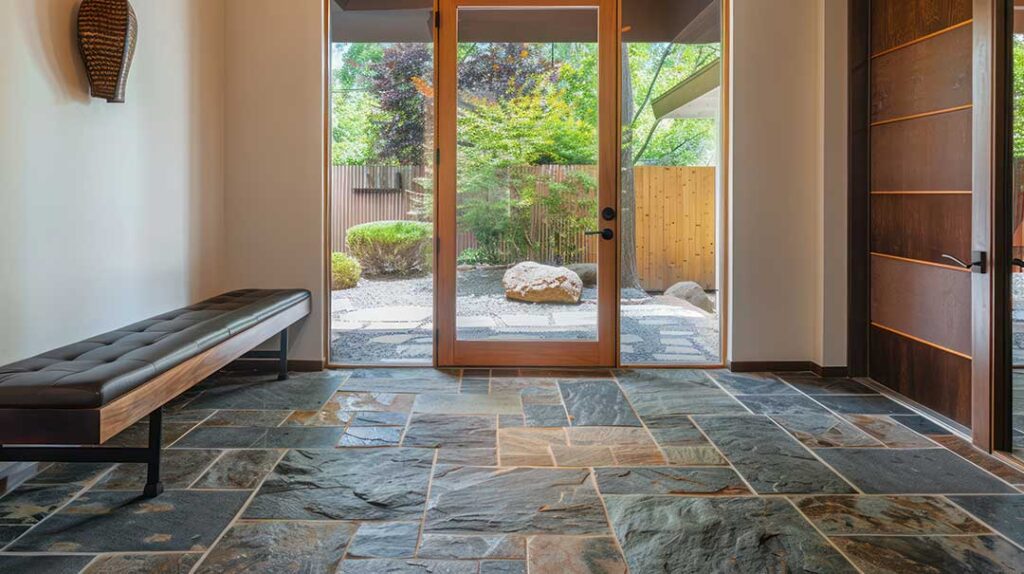
Flooring trends in 2026 are moving toward warmer colors, natural textures, practical water resistance, and materials that are easier to maintain. For homes in Penn Yan, these design shifts are most useful when considered alongside winter moisture, tracked-in salt, older subfloors, and the changing needs of kitchens, entryways, living areas, and bedrooms.
Which flooring colors are most popular this year?
Warm wood tones are replacing the cool gray finishes that dominated many flooring collections during the past decade. Honey oak, natural maple, medium walnut, muted chestnut, and soft brown shades are becoming more common because they make rooms feel comfortable without looking overly formal.
The current preference is not necessarily for dark floors. Very dark surfaces can show dust, pet hair, and scratches more clearly, while extremely pale finishes may reveal mud and salt during winter. Mid-range colors often provide a practical balance for busy households.
Matte and low-sheen surfaces are also gaining attention. They tend to look more natural than glossy finishes and are less likely to emphasize footprints, small scratches, or uneven reflections. Industry trend reporting for 2026 also points toward realistic textures, calmer color palettes, and less artificial-looking wood patterns. ([eplf.com](https://eplf.com/storage/files/eplf-trends-2026-pr-en.pdf?utm_source=openai))
Are gray floors going out of style?
Gray flooring is not unusable, but the strongest design trend has shifted away from cool gray as the default choice. Many current interiors combine warmer floors with off-white walls, natural wood furniture, muted green, clay, tan, or charcoal accents.
A neutral floor can still work well, especially where existing cabinets, trim, or furnishings already have cool undertones. The main caution is to avoid choosing a floor color in isolation. A sample that looks beige or brown in a showroom may appear noticeably different beside daylight, painted walls, and older woodwork.
Before making a decision, view samples in the actual room during morning and evening. Artificial light, window direction, and surrounding surfaces can significantly affect how flooring color appears.
Why are waterproof and water-resistant floors still popular?
Water-resistant and waterproof flooring remains one of the most practical trends because many households want a wood-like appearance without using traditional hardwood in every room. Rigid-core resilient flooring, waterproof laminate, porcelain tile, and certain engineered products are commonly considered for kitchens, mudrooms, laundry areas, and lower-level spaces.
The terms are not interchangeable:
- Water-resistant flooring can tolerate limited moisture for a period of time, but standing water or seepage may still cause damage.
- Waterproof flooring is designed to resist water reaching the core under specified conditions, but seams, edges, subfloors, and perimeter gaps still require proper installation.
- Moisture-tolerant flooring may perform well in damp environments but does not necessarily prevent water damage.
No floor can compensate for an active leak, wet foundation, plumbing failure, or persistently damp subfloor. The condition beneath the flooring is often more important than the product label.
For Penn Yan homes, entryways and kitchens deserve particular attention. Snow, road salt, wet footwear, and spring mud can place more stress on flooring than ordinary daily dust. A walk-off mat, a defined area for wet footwear, and prompt cleanup often extend the life of any material.
Is engineered hardwood becoming more popular?
Engineered hardwood continues to attract interest because it provides a genuine wood surface while offering greater dimensional stability than many solid wood products. Its layered construction can be helpful in homes where seasonal changes in temperature and humidity affect the floor.
That does not make engineered hardwood suitable for every room. It still requires attention to moisture, subfloor conditions, expansion space, and installation instructions. Bathrooms, laundry rooms, and areas with repeated standing water may call for a different material.
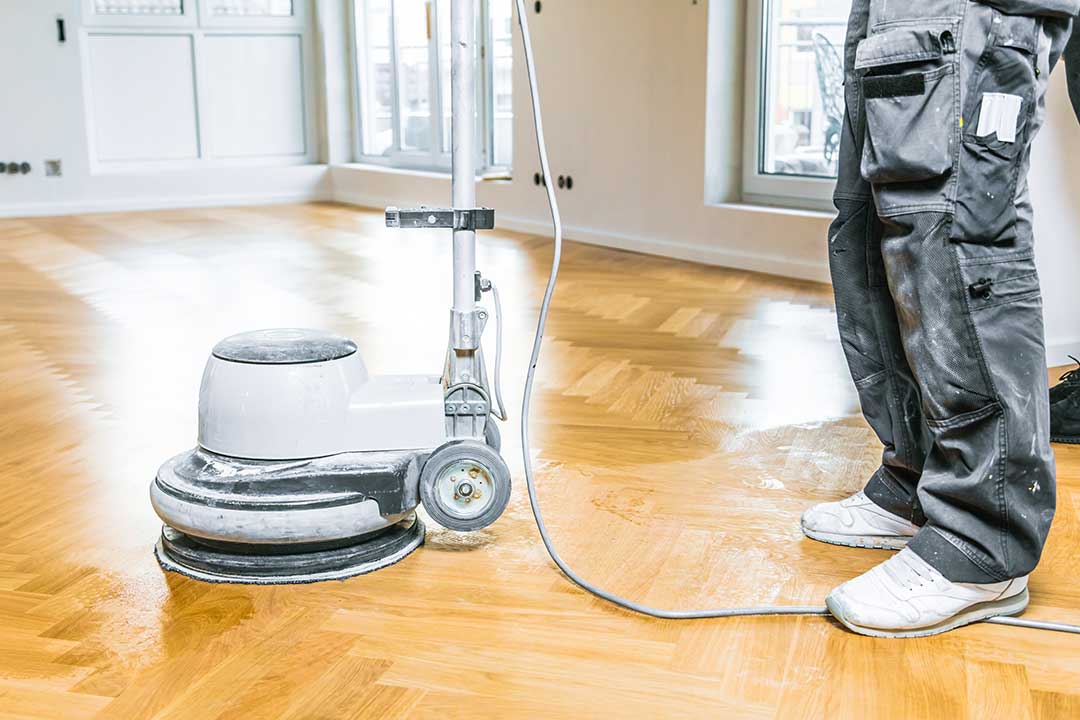
Solid hardwood remains valuable where repairability and long service life matter. A well-maintained wood floor may be refinished, while some heavily worn synthetic products are replaced rather than renewed. The decision should consider the existing floor, expected traffic, room moisture, and how long the household expects to remain in the home.
Are patterned floors and wider planks returning?
Patterned flooring is becoming more visible in 2026, especially herringbone, chevron, and carefully arranged plank layouts. These patterns add visual interest without requiring a bold color.
Wide planks also remain popular because they create fewer visible seams and can make a room feel more open. However, wider boards may show movement or irregularities in an uneven subfloor more clearly. In older homes, the subfloor should be assessed before choosing a large-format or highly directional layout.
Patterned floors are usually most effective when surrounding finishes are restrained. Cabinets, walls, and furniture do not need to compete with a strong floor pattern.
What flooring trends support healthier and lower-maintenance homes?
A major 2026 trend is the combination of natural appearance and easier care. Homeowners are paying more attention to cleanability, indoor air quality, product transparency, and long-term durability rather than choosing materials based only on appearance.
Useful questions include:
- Does the product have clear information about emissions and adhesives?
- Can damaged planks or tiles be replaced individually?
- Is the surface likely to retain grit, pet hair, or moisture?
- Does the product require special cleaning solutions?
- Are recycling or disposal instructions available?
- Is the warranty dependent on maintenance practices that are realistic for the household?
Sustainability is not limited to products labeled “green.” A durable floor that remains useful for decades may create less waste than a cheaper floor that needs repeated replacement. Refinishing an existing wood floor can also be a sensible option when the boards remain structurally sound. Trend reports for 2026 increasingly connect sustainability with longevity, repairability, and responsible material choices. ([mmfa.eu](https://mmfa.eu/en/2025/12/05/mmfa-2026-trends-innovation-and-creativity-as-the-guiding-principles/?utm_source=openai))
What flooring works best for homes with pets or children?
The best choice depends on the type of mess and traffic rather than a single “pet-proof” label. Scratch resistance, texture, seam protection, stain resistance, and ease of cleaning all matter.
Rigid-core flooring may be practical in active rooms, while porcelain tile offers strong resistance to water and abrasion but can feel hard or cold underfoot. Carpet remains useful in bedrooms and other areas where warmth, sound absorption, and comfort are priorities. Low-pile carpet may be easier to maintain than a deep, textured style.
No surface is completely scratch-proof or stain-proof. Grit is often the real cause of wear, so regular sweeping and entrance mats may matter as much as the flooring material itself.
How should local residents choose among the trends?
Start with the room’s conditions rather than the trend name. Ask how much moisture the space receives, whether the subfloor is level and dry, how much traffic occurs, and whether comfort, sound control, or easy cleaning is the primary concern.
For many homes, a coordinated approach works better than using one material everywhere: durable flooring near exterior doors, moisture-conscious choices in kitchens and laundry areas, warmer surfaces in living spaces, and softer materials in bedrooms.
The most lasting 2026 trend is practical design—flooring that looks natural, fits the home’s character, and continues to perform through Penn Yan’s seasonal changes.